Navigating the fast-changing world of tech can be pretty overwhelming, especially when you're trying to pick the right Inertial Platform for your specific needs. Here at Poseidon International Group (Hong Kong) Limited, we've been around since 2013, focusing on the research, design, and manufacturing of cutting-edge systems like fiber optic gyroscopes (FOG), inertial navigation systems (INS), attitude and control solutions, and even autonomous vehicle tech. We’re proud of our numerous patents, which really show how dedicated we are to staying ahead of the game. This ultimate guide is here to help make the whole process of choosing an Inertial Platform a bit less intimidating. We’re sharing practical tips and insights tailored to different industries—whether you’re working on autonomous systems or just trying to improve navigation accuracy, understanding what factors matter most is key to making the right choice and smashing your project goals.

Understanding Inertial Platforms: Key Features to Consider
When you're trying to pick out an inertial platform, one of the most important things to think about is the type of sensor it uses. Usually, these platforms rely on either MEMS (Micro-Electro-Mechanical Systems) sensors or FOG (Fiber Optic Gyroscope) sensors. MEMS sensors are typically smaller, lighter, and tend to be more budget-friendly, making them a good choice for stuff like mobile devices or consumer gadgets. On the flip side, FOG sensors generally offer better accuracy and stability — which really matters if you're working on high-precision projects like aviation or robotics.
Another key factor is how well the platform can process data. Having advanced algorithms for sensor fusion and motion tracking can really boost performance. Platforms with onboard processing power tend to cut down on lag, so your real-time decisions come faster. Also, don’t forget to check what formats the output data comes in and whether it plays nice with your existing setup. Making sure everything integrates smoothly can save you a lot of headaches and make your workflow way more efficient. Taking some time to weigh these main features will help you choose an inertial platform that actually fits what your project needs — no need to settle for something that’s not quite right.
Types of Inertial Platforms: Choosing the Right One for Your Needs
When you're trying to pick the right inertial platform for your project, it's really helpful to understand the different types out there. Basically, inertial platforms fall into three main categories: MEMS, fiber optic gyroscopes (FOG), and ring laser gyroscopes (RLG). MEMS units are super small and budget-friendly, making them perfect for consumer gadgets or just simple navigation tasks. They do the job pretty well for most stuff, but if you're aiming for super high accuracy, their tendency to pick up noise can be a bit of a hiccup.
Now, fiber optic gyroscopes are a different story. They’re known for their precision and stability — the kind of reliability you’d want in aerospace or defense projects where accuracy really matters. Sure, they’re a bit more expensive, but their performance can totally be worth it if you need that extra level of trust. And then there are ring laser gyroscopes, which are top-notch when it comes to performance. You’ll usually find them in fancy navigation systems where nothing but the best will do.
At the end of the day, choosing the right inertial platform really depends on what your specific needs are — stuff like your budget, space limitations, and just how precise you need things to be. It’s all about finding what fits best with what you’re trying to achieve.
Evaluating Performance Metrics: Accuracy, Drift, and Latency
When you're picking out an inertial platform for your project, it’s really important to pay attention to things like accuracy, drift, and how quickly the system responds—that’s the latency. Accuracy basically means how close the measurements are to the real position or orientation. I came across a recent report from Markets and Markets that mentioned some advanced IMUs (inertial measurement units) can get up to 0.1% accuracy—that’s pretty impressive, especially if you're working on stuff like self-driving cars or robotics where every little detail counts.
Now, drift is another biggie. It’s that slow shift or deviation in the sensor’s output over time. Some of the latest systems are so good that they can keep drift under 1 degree per hour, which is a huge deal for long-term missions. It’s a good idea to look for platforms that have smart built-in algorithms to correct for drift — it really helps keep things accurate in real-world scenarios.
And let’s not forget about latency — that lag between when data is captured and when it’s processed. For quick, real-time applications, you want a system that responds in less than 10 milliseconds, so there’s no lag messing up your timing.
**Tip 1:** When you’re choosing a platform, go for options that deliver high accuracy and minimal drift—especially if precision really matters for your project.
**Tip 2:** Take some time to compare different platforms, paying close attention to how fast they react under actual working conditions. You want to make sure they can handle your specific needs without any surprises.
Performance Metrics of Inertial Platforms
This chart displays the performance metrics of various inertial platforms based on three key metrics: Accuracy, Drift, and Latency measured in degrees per hour (°/h) and milliseconds (ms). The data reflects the general trends observed in inertial sensors used across different applications.
Integration Tips: Ensuring Compatibility with Your Systems
When you're choosing an inertial platform for your project, it’s super important to make sure it plays nicely with the systems you already have in place. Integration can sometimes be tricky, especially when you're dealing with different sensors and data formats. To make things easier, it’s a good idea to check what communication standards the inertial platform supports—and see if they're compatible with your current setup. Going for platforms that use open protocols or offer good API documentation can really save you a lot of headaches during integration.
Also, think about where you'll be deploying your system. Whether it’s on a small satellite or a smart home device, the physical environment and how you plan to use the platform can make a big difference in how smoothly everything works together. It’s smart to test things out in a controlled setting before going full throttle—that way, you can catch any compatibility issues early on. By keeping these things in mind and tackling potential problems upfront, you’ll end up with a more reliable system that runs better and offers a smoother experience overall.
Cost vs. Performance: Finding the Best Value for Your Budget
Choosing the right inertial platform for your project can feel a bit overwhelming, right? It’s all about finding the perfect balance between cost and performance. A good choice here can really boost your project's efficiency without draining your budget. So, take some time to really think about what you need—look at the specs of different options out there and see which ones fit your specific situation.
Here’s a little tip: start by figuring out what’s most important for your application. Is it precision and accuracy, or do you care more about speed when processing data? Make a list of those must-have features. That way, you can quickly sift through the options and focus only on the platforms that tick your boxes, instead of wasting time and money on stuff you don’t really need.
Also, don’t skip over the reviews and real-world benchmarks. It’s kind of like checking out reviews before buying a gadget. Knowing how these platforms perform in actual applications can save you a lot of headaches and help you pick something reliable and affordable.
And here’s another handy tip: jump onto forums or communities where pros in your field hang out. The insights they share about long-term performance and reliability can be super helpful. Hearing straight from people who've tested these platforms in real life can give you a clearer picture and help you make a smarter, more confident choice.
Future Trends in Inertial Technology: What to Expect Next
As more and more industries are craving super-precise motion tracking, it feels like the future of inertial tech is heading into some pretty exciting territory. We're seeing trends that suggest sensor fusion—kind of like blending different tech magic—will get better and better. This means inertial platforms will smoothly team up with other stuff like GPS and computer vision, making them way more accurate and reliable. Honestly, that’s a game-changer for things like robotics, self-driving cars, and even augmented reality—stuff that used to be limited by tech constraints.
And here’s something cool: miniaturizing these sensors is really taking off. Now, smaller and smarter devices are popping up that can be embedded in everyday gadgets. You know, lighter, sleeker solutions that weren’t really possible before because of size issues. This isn’t just about making your smartphone or smartwatch better—it’s opening doors for healthcare stuff too, like really detailed motion analysis for monitoring patients or aiding in rehab. All these little shifts—mini sensors, extra power—are gonna totally shake up what inertial tech can do. We’re on the brink of some seriously exciting innovations coming soon!
Leveraging Insights from the Latest IHS Markit Report: Enhancing UAV Navigation with the Digital BSD98 Inertial Sensor
In recent years, the demand for sophisticated Unmanned Aerial Vehicle (UAV) navigation systems has surged, driven by advancements in technologies that enhance operational effectiveness and reliability. According to the latest IHS Markit report, the global market for UAVs is expected to grow significantly, highlighting the need for high-performance components such as inertial sensors that can deliver precise navigation data essential for complex missions.
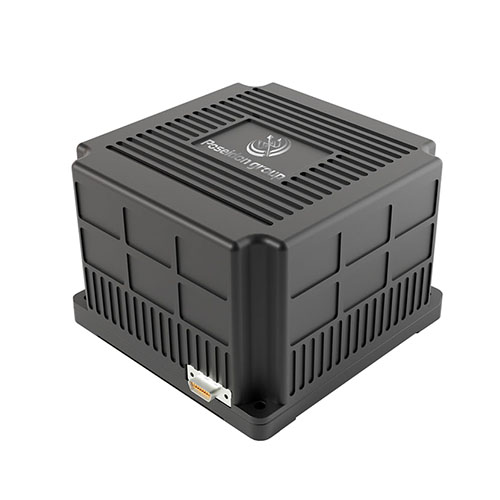
The Poseidon BSD98 inertial sensor stands out in this evolving landscape. Featuring cutting-edge digital closed-loop technology, it provides unmatched zero-bias stability ranging from 0.01º/h to 0.05º/h with a 10-second smoothing period. This level of accuracy is crucial for high-precision inertial navigation systems, ensuring that UAVs can perform tasks with pinpoint precision, even in demanding environments. Its compact design (98mm×98mm×35mm, weighing ≤470g) and rapid startup capabilities further enhance its applicability in a variety of UAV platforms, making it a top choice for vehicle-mounted positioning and advanced automation solutions.
Moreover, the BSD98's robust construction is engineered to withstand extreme conditions, offering exceptional resistance to vibration and shock—a critical requirement for UAV operations in harsh terrains. As the IHS Markit report underscores the growing integration of advanced technologies in UAV systems, the Poseidon BSD98 emerges as an indispensable component capable of meeting the evolving demands for navigation accuracy and operational reliability in the drone industry.
FAQS
: The main types of inertial platforms are Micro-Electro-Mechanical Systems (MEMS), fiber optic gyroscopes (FOG), and ring laser gyroscopes (RLG).
MEMS platforms are compact, cost-effective, and offer sufficient accuracy for many applications, making them ideal for consumer electronics and basic navigation tasks.
Fiber optic gyroscopes provide superior accuracy and stability, making them suitable for critical applications in aerospace and defense, despite their higher price.
Drift refers to the gradual deviation of a sensor's output from its true value. Minimizing drift is essential for enhancing long-term reliability and accuracy of measurements.
An optimal inertial platform should have a latency of less than 10 ms to ensure real-time responsiveness, particularly in high-speed applications.
To balance cost and performance, start by defining key performance indicators for your application, evaluate specifications of various platforms, and consider user reviews and benchmarks.
When selecting for high-precision tasks, prioritize platforms that combine high accuracy and low drift to meet the demands of the application effectively.
Engaging with user communities can provide valuable insights into the long-term reliability and effectiveness of different platforms based on real-world applications, aiding in informed decision-making.
Factors to consider besides price include the specific application requirements, accuracy, drift, latency, and the overall performance of the platform in real-world situations.
Conclusion
Picking the right inertial platform for your projects isn’t something to take lightly – it can really make a difference in how well things perform and how reliable everything is. Think of this guide as your go-to cheat sheet: it highlights why it's so important to understand the key features of these platforms, like the different types out there and how to evaluate important performance aspects such as accuracy, drift, and latency. Plus, I’ll share some practical tips on how to make sure these systems fit smoothly with what you already have in place. Taking a closer look at costs versus performance also helps you get the best bang for your buck.
As tech keeps evolving quickly, it's more important than ever to stay in the loop about what's coming next in inertial tech. Companies like Poseidon International Group out of Hong Kong are leading the charge with some seriously innovative solutions. They’re heavily invested in research and use some of the coolest designs around—like fiber optic gyroscopes and advanced inertial navigation systems. By tapping into these cutting-edge innovations, businesses can really fine-tune their setups to handle the fast-changing demands of today’s world.

 TBSD60
 BSD120
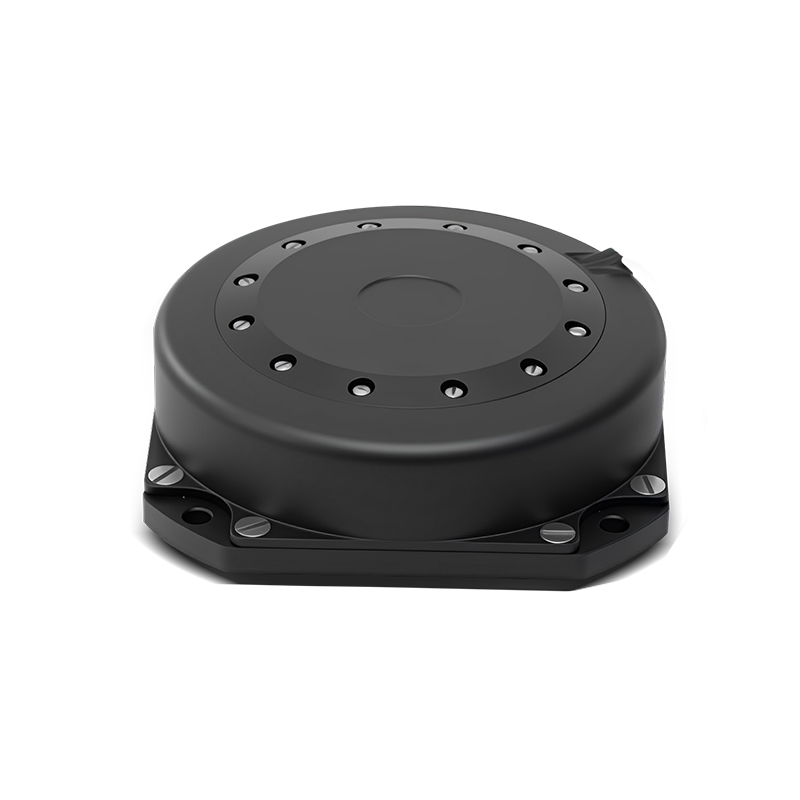 BSD98
BSD98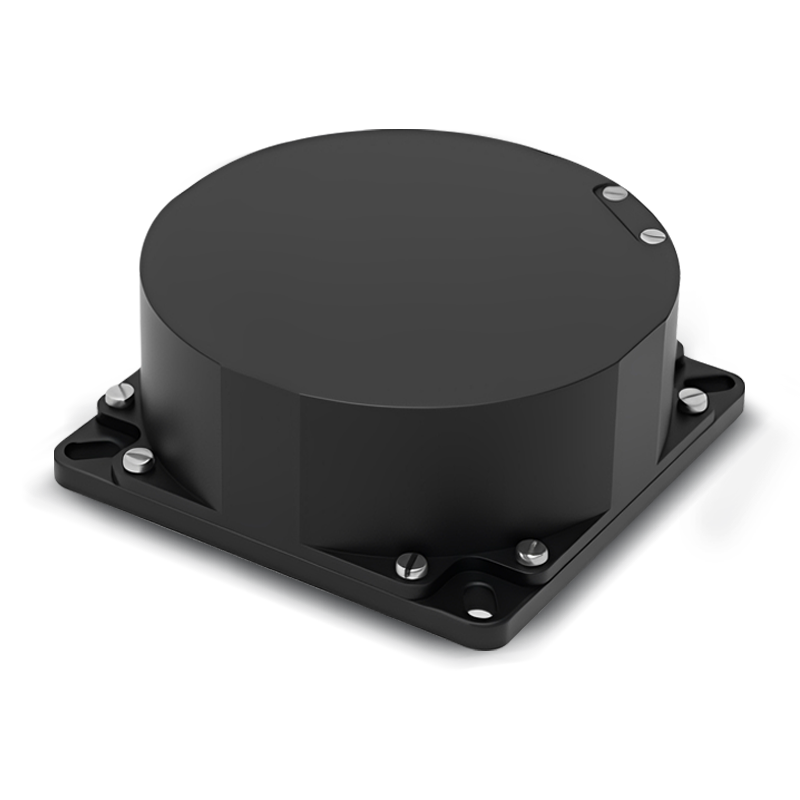 BSD70
BSD70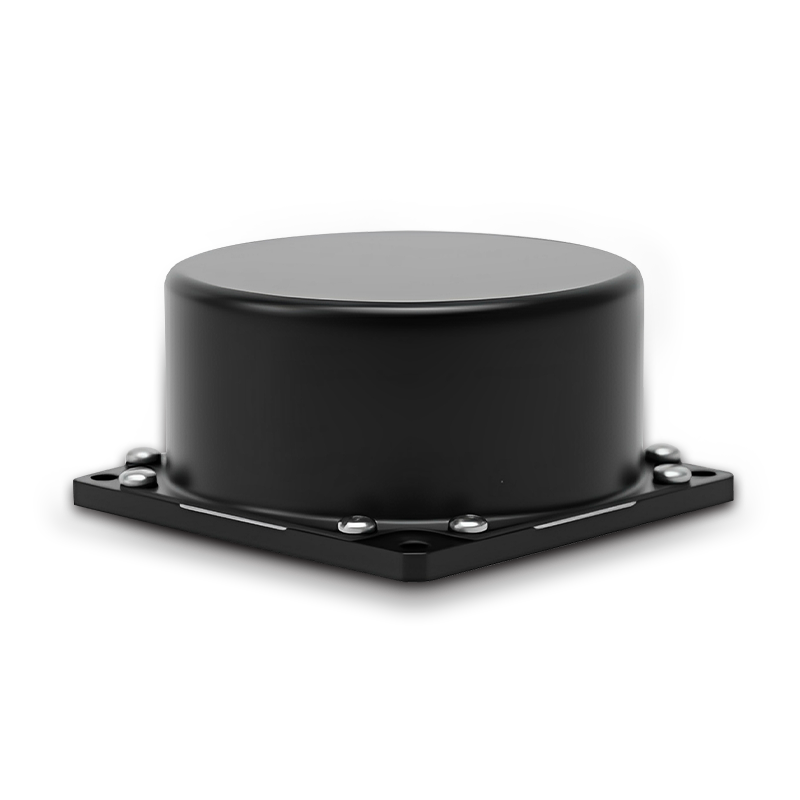 BSD60
BSD60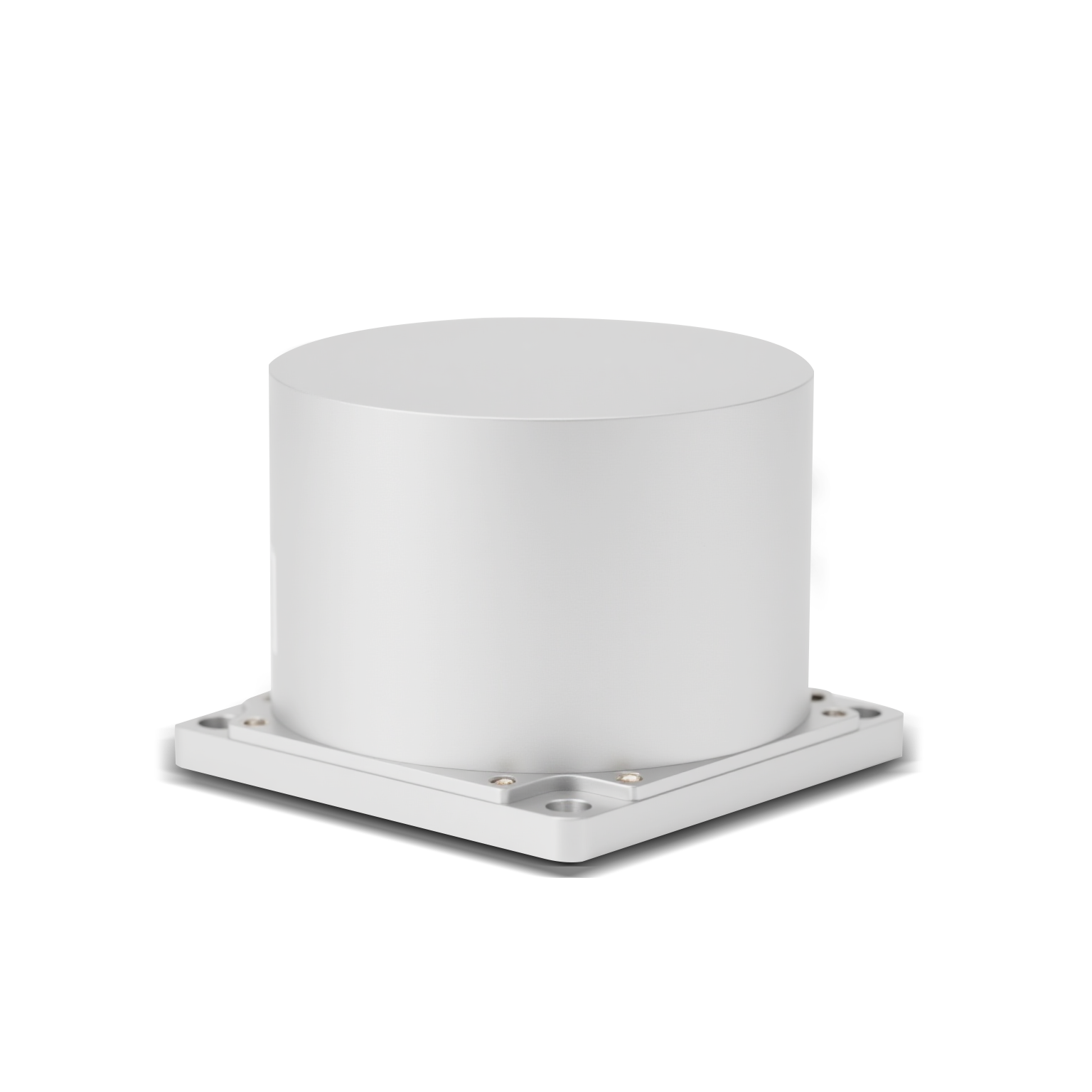 BSD50
BSD50 BSD217
 INS1700
 INS970
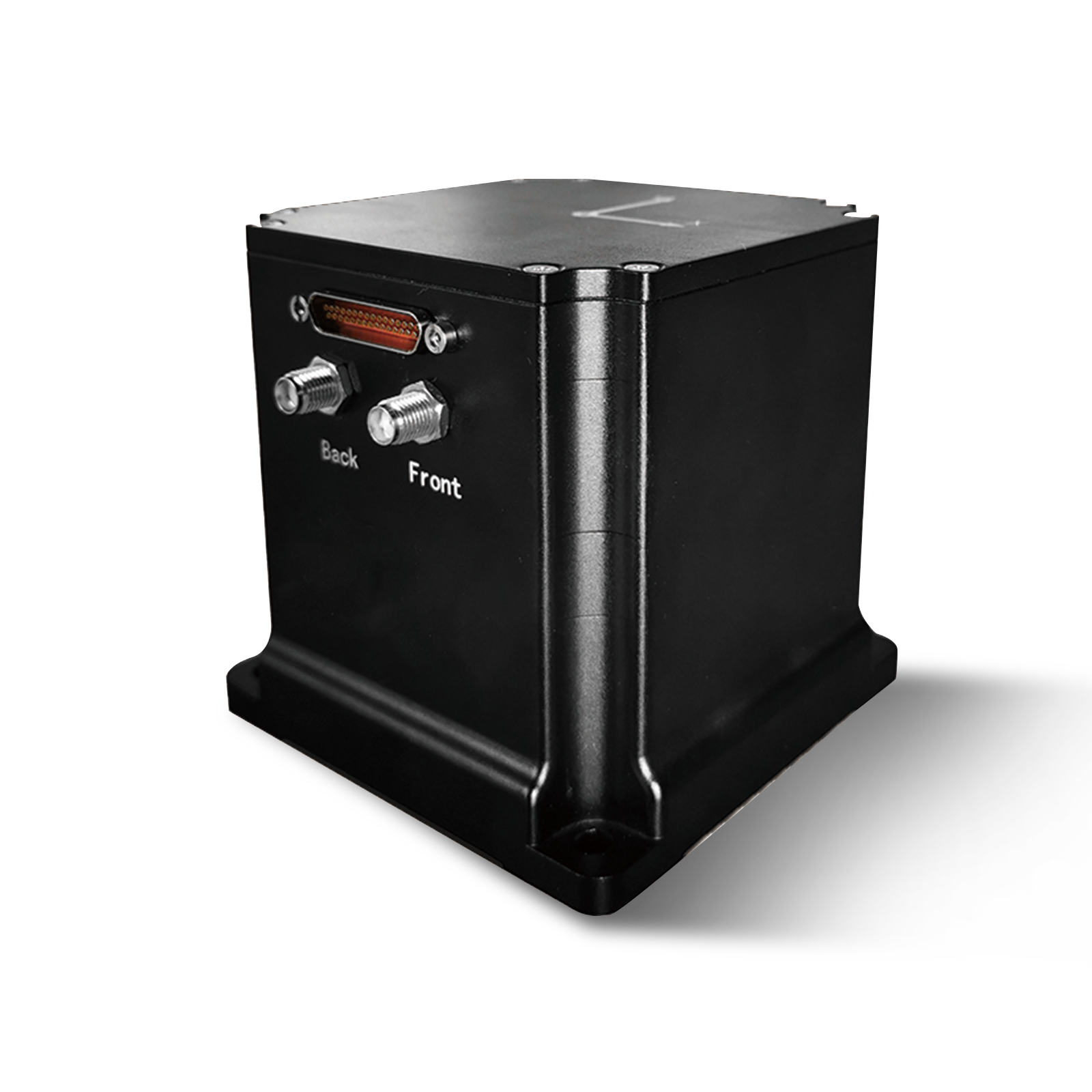 INS570
 INS170
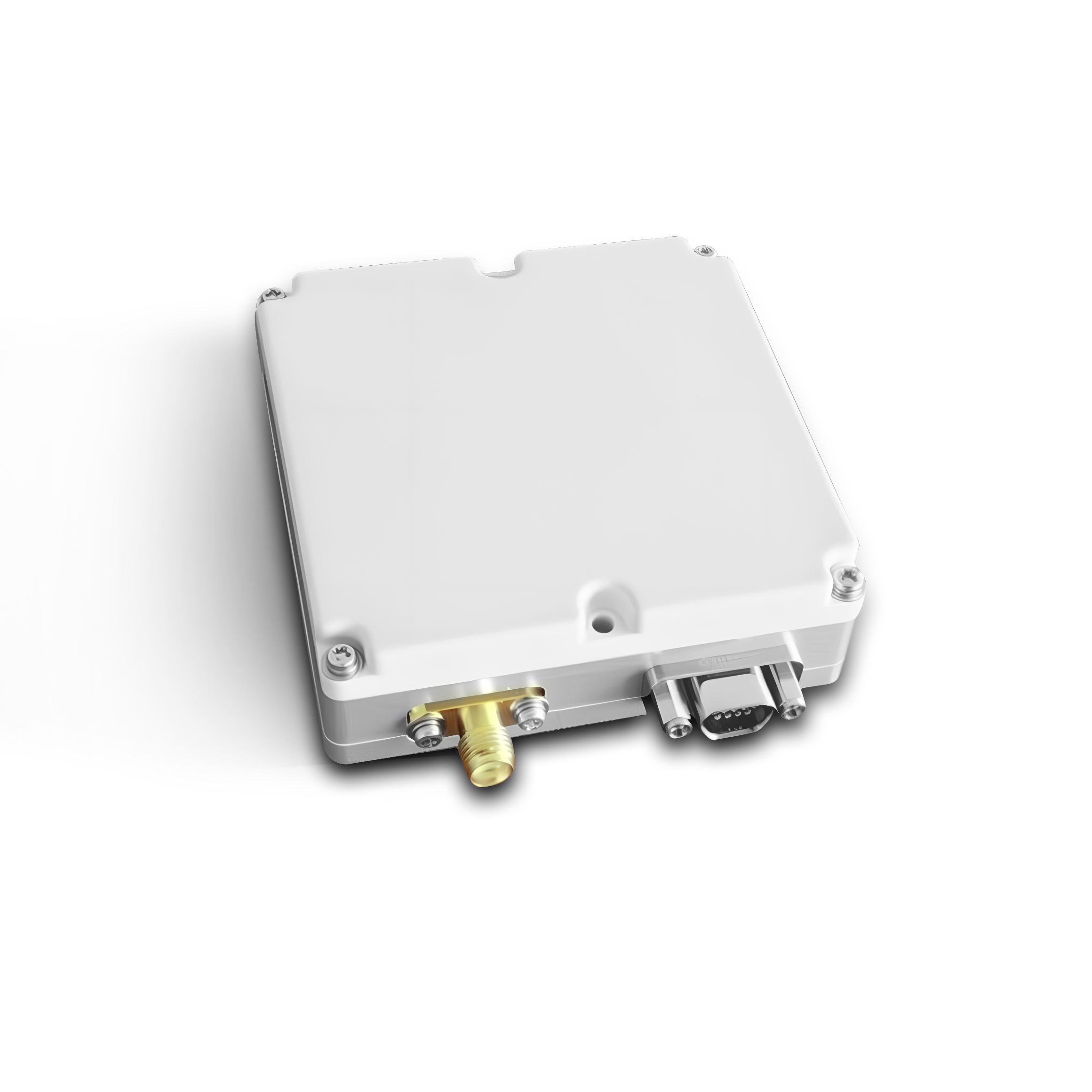 SLA-4B1L1-65
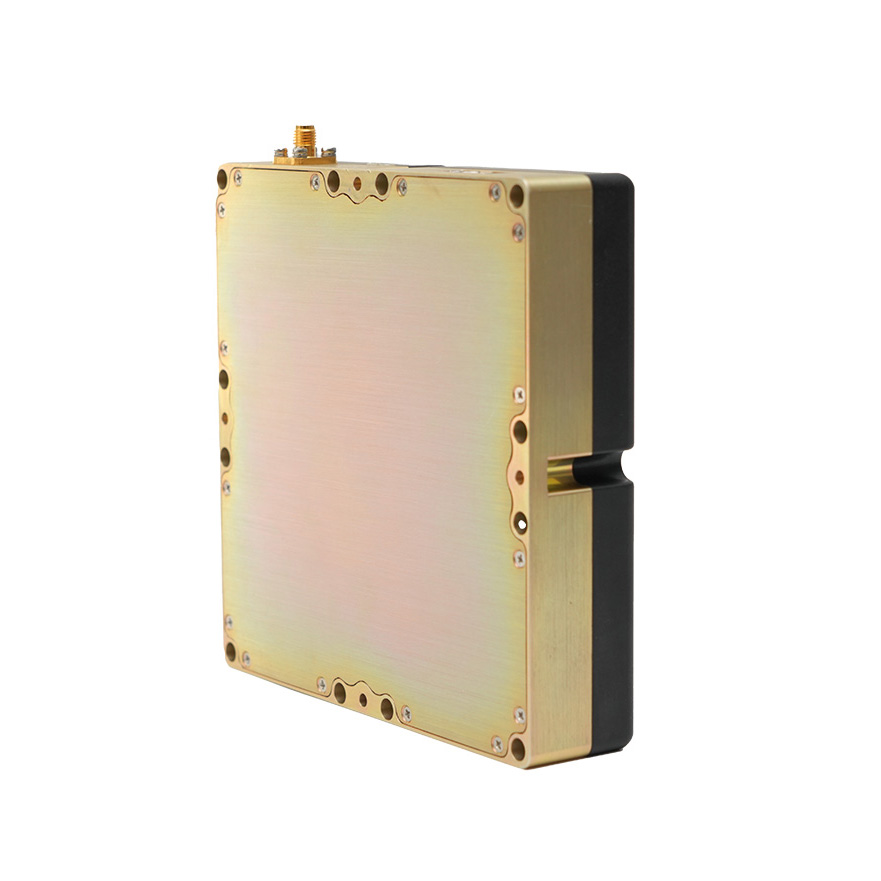 SLA-4B1L1-130
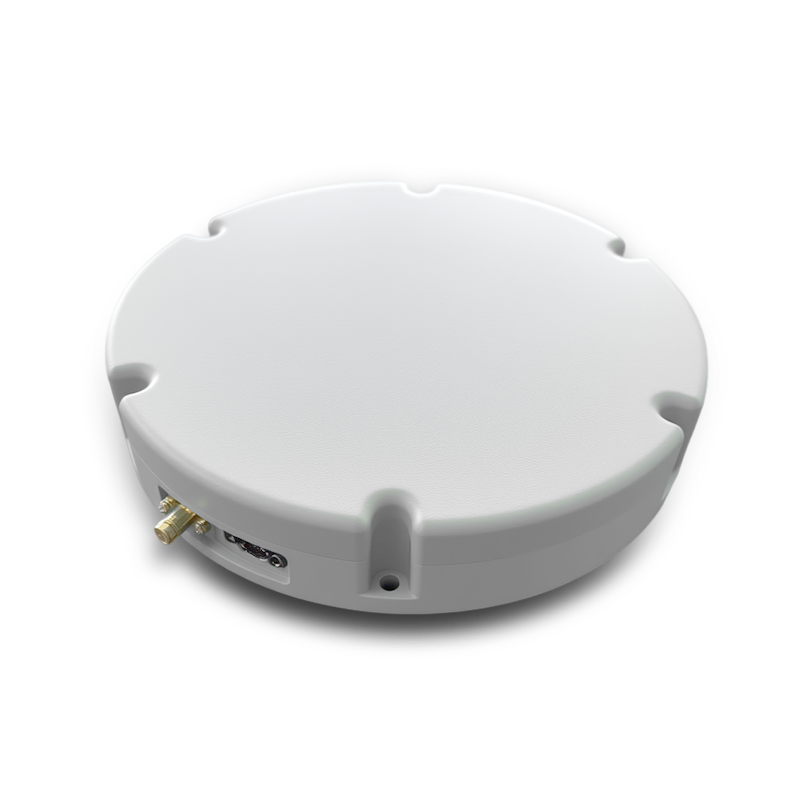 SLA-8B1L1-165
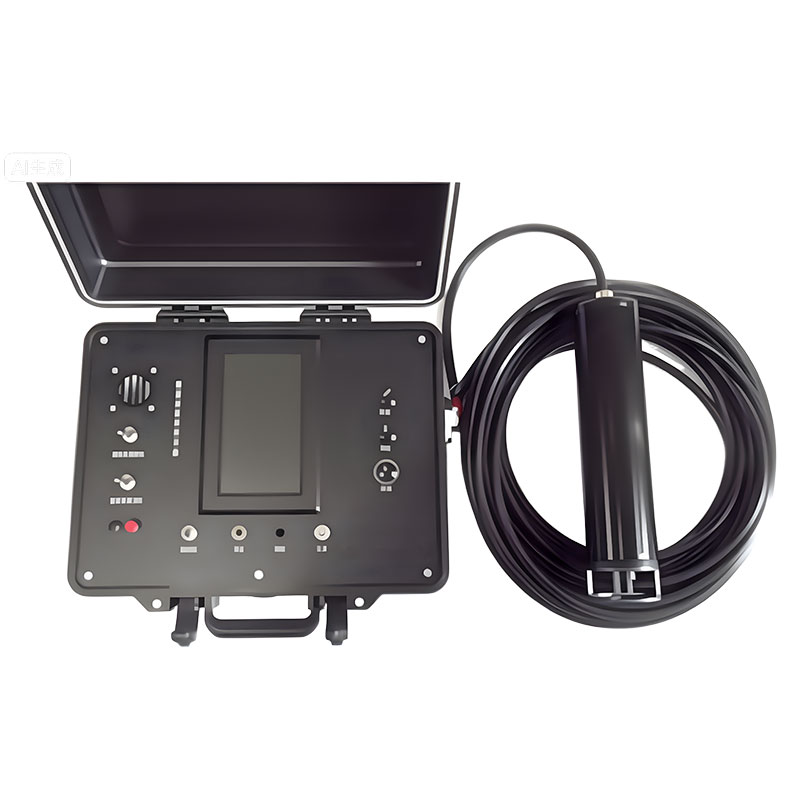 DIVER 101
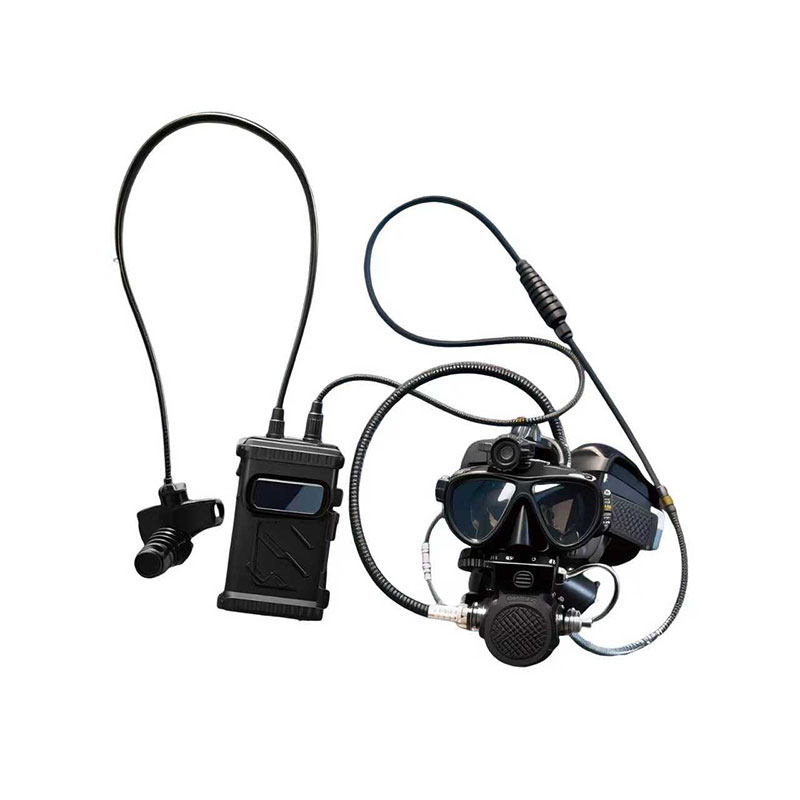 DIVER 102
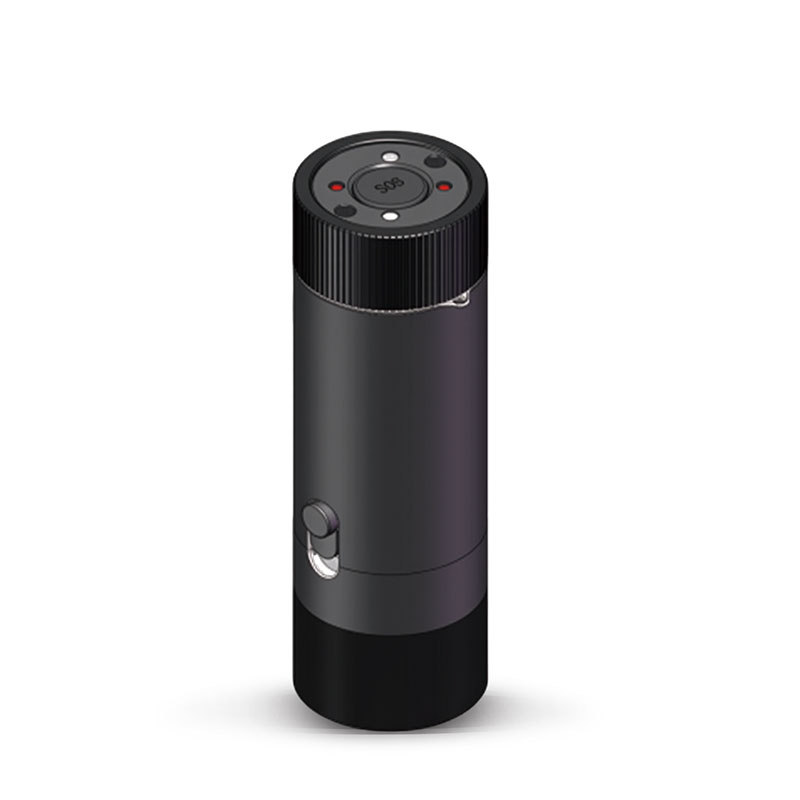 DIVER 103
 DIVER 104
 DIVER 105
 DIVER 106
 SLLR3000
 SLLR905
 SLLD25
 160M
160M 170M
170M SLFC-70
 SLAF280
 MR360
MR360