Leave Your Message
0%

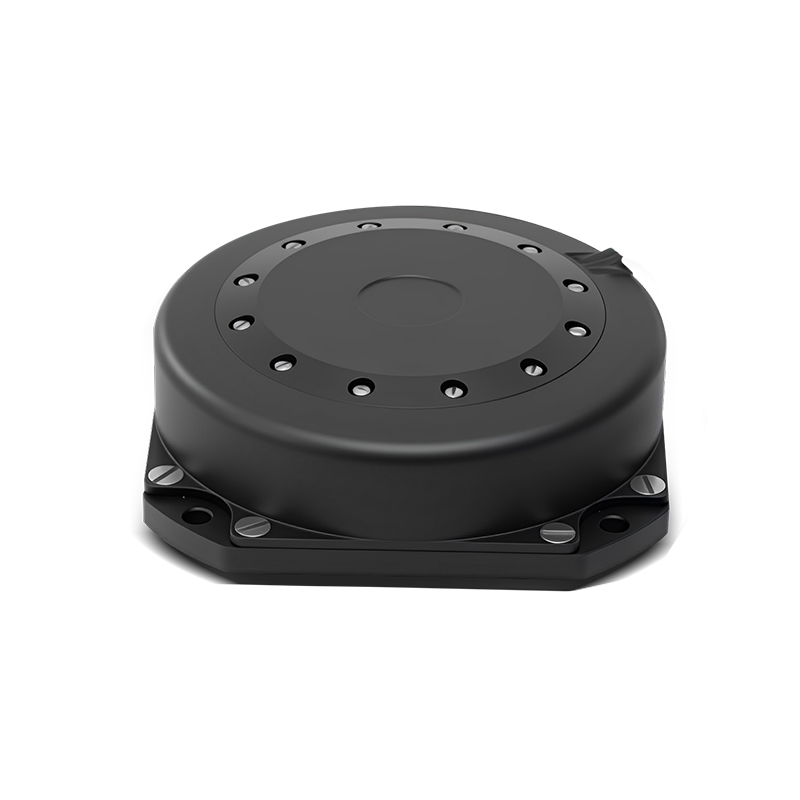
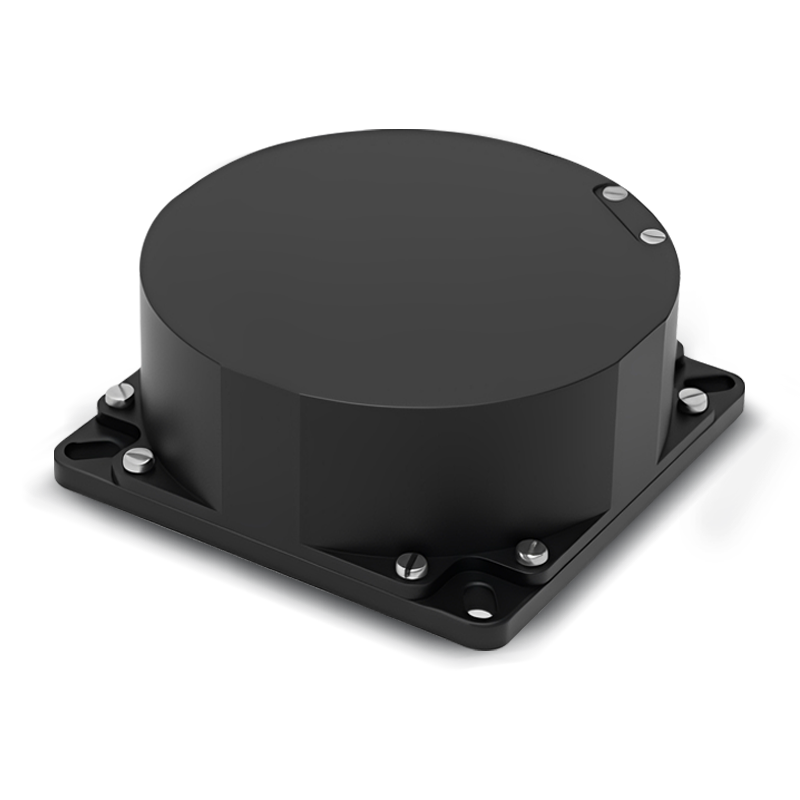
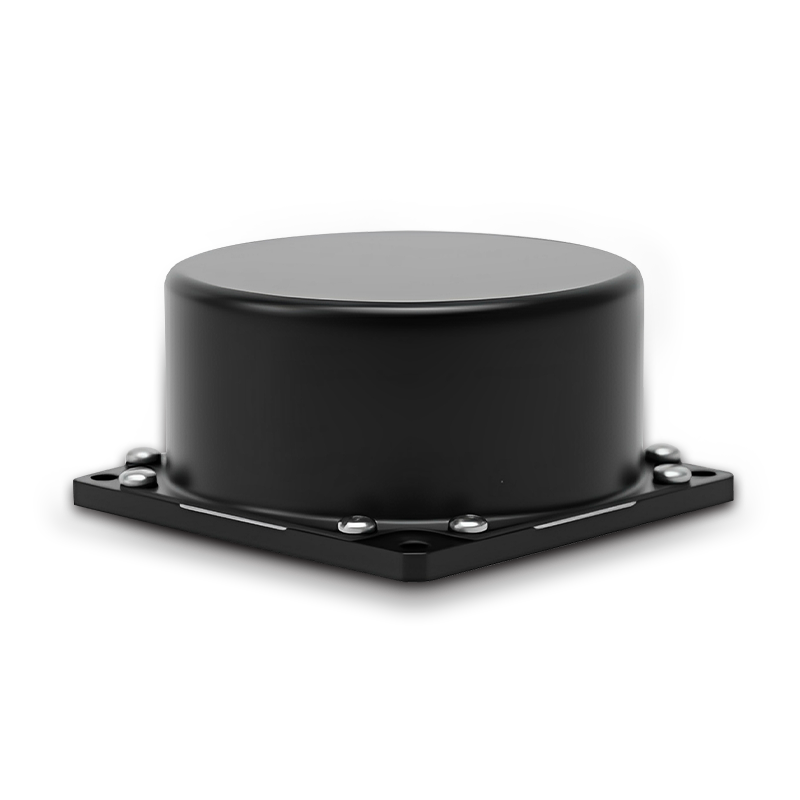
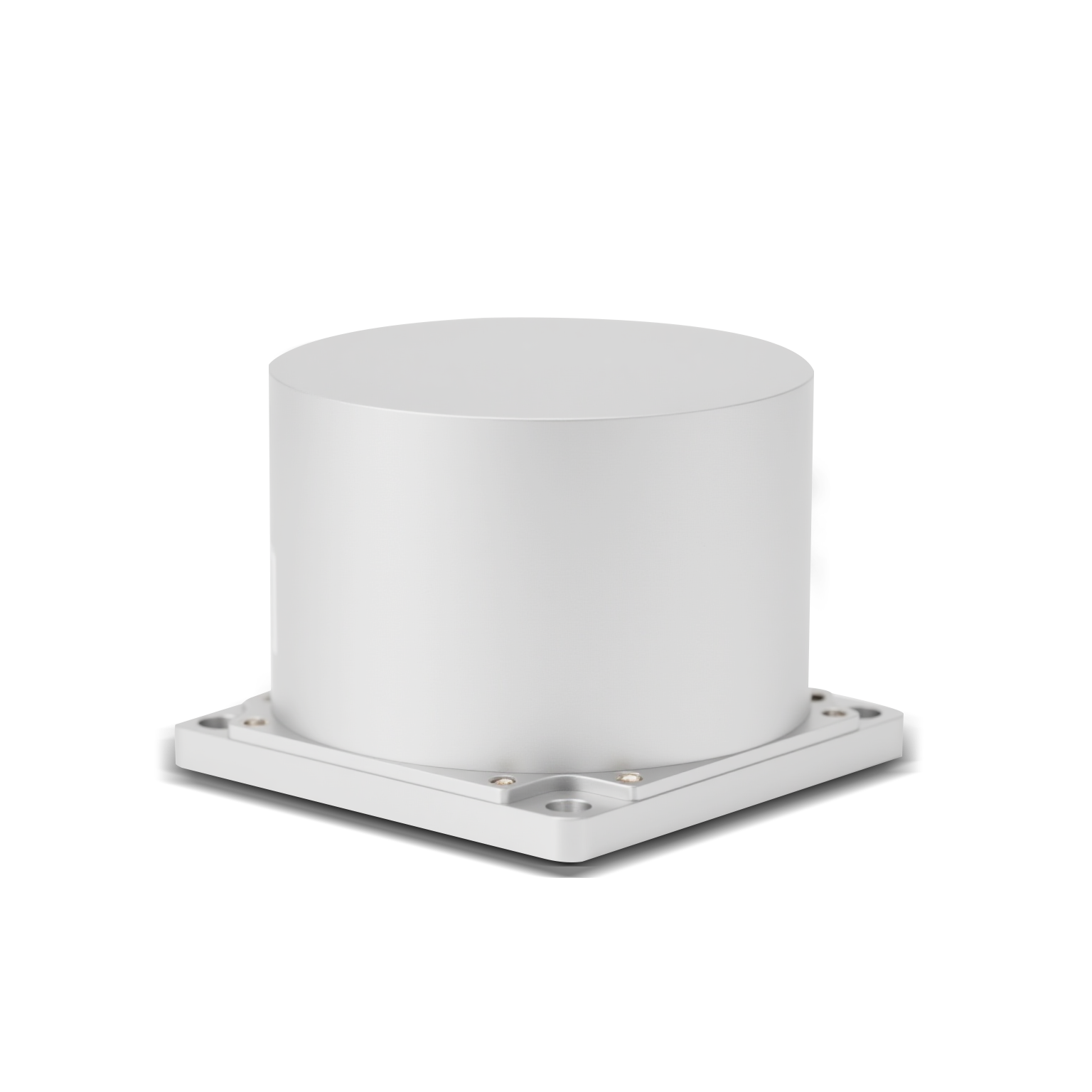
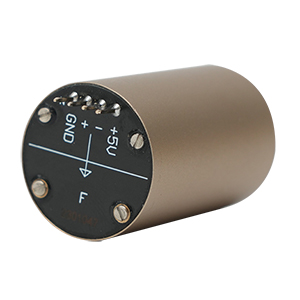
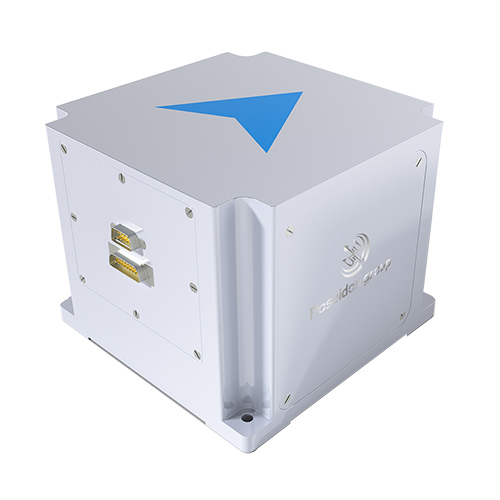
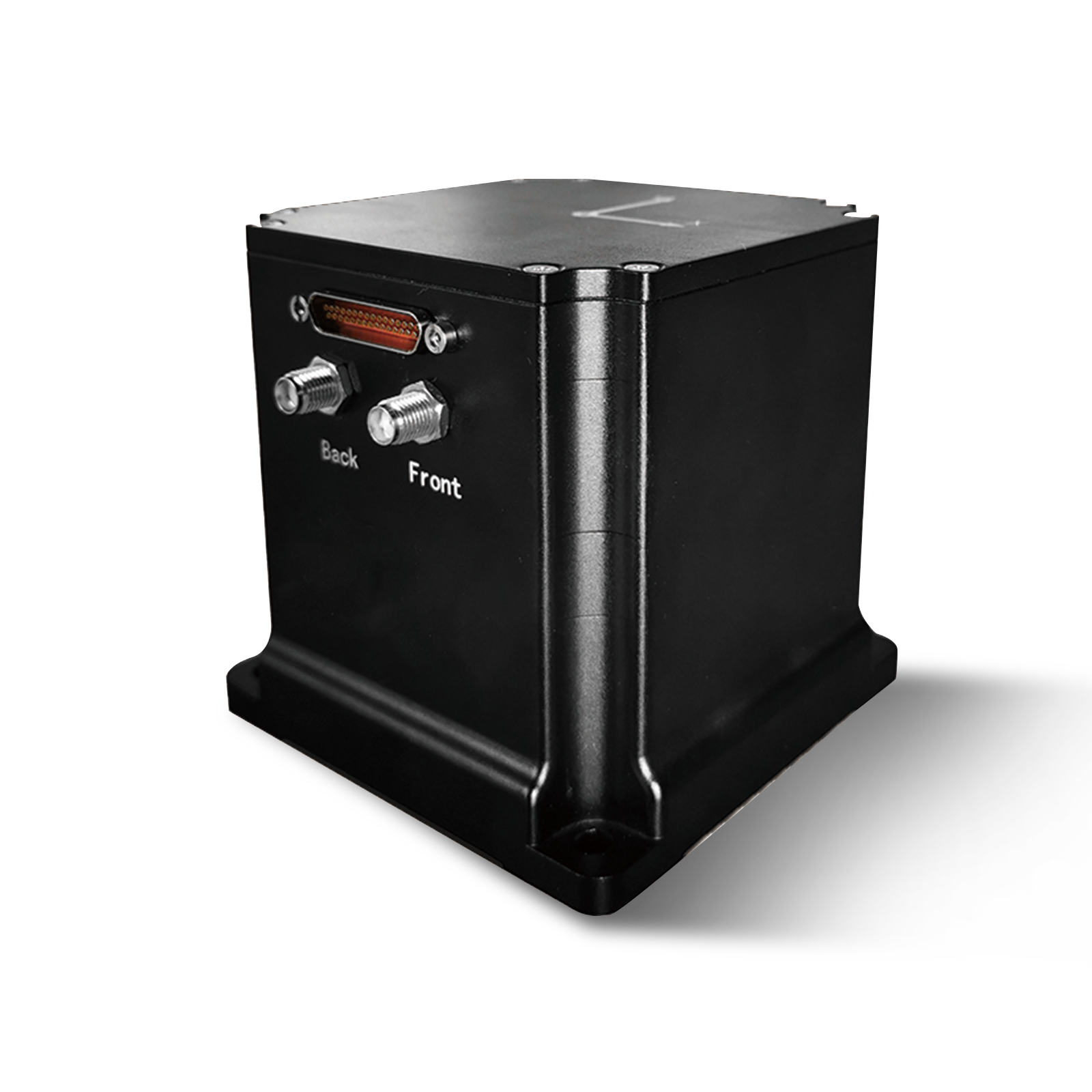
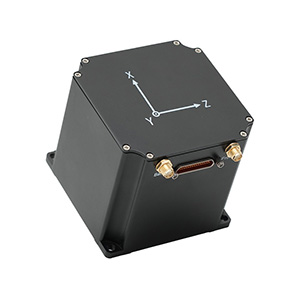
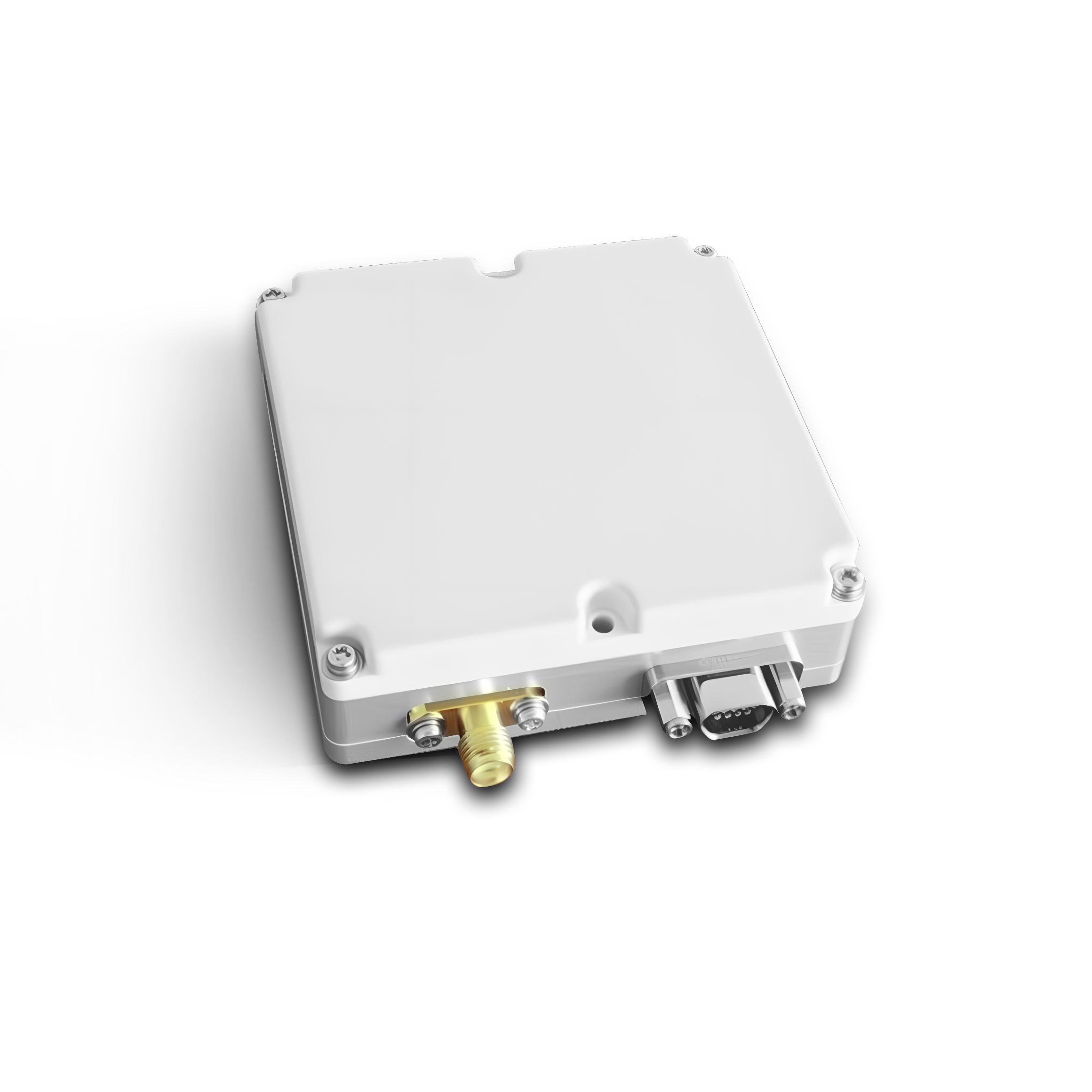
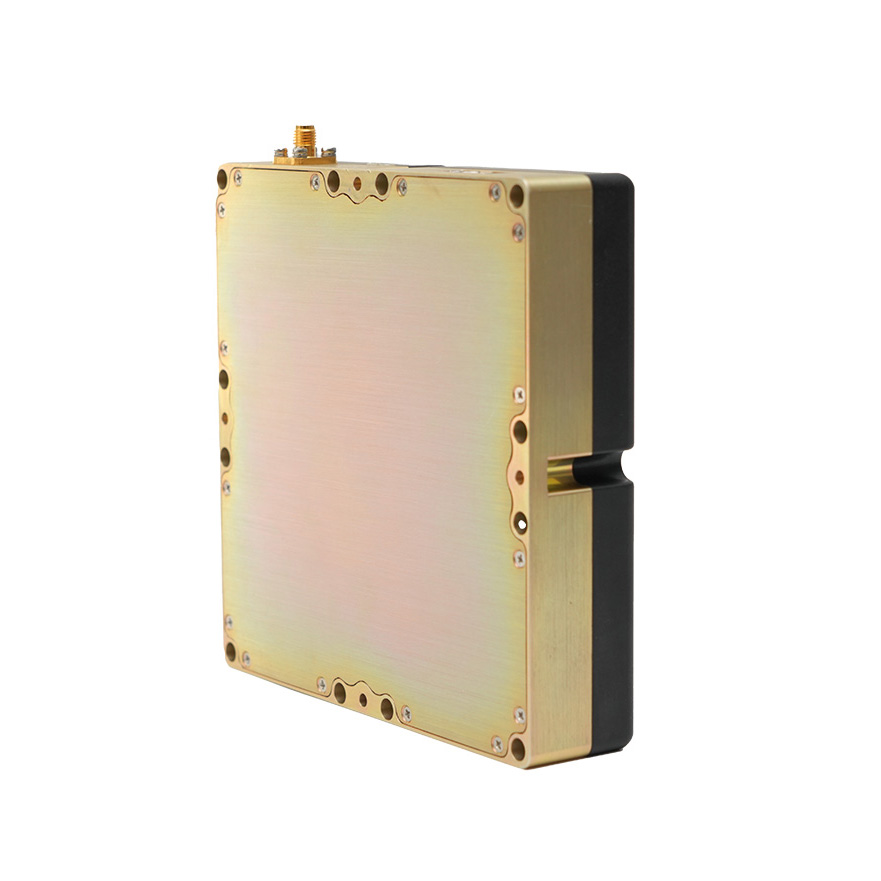
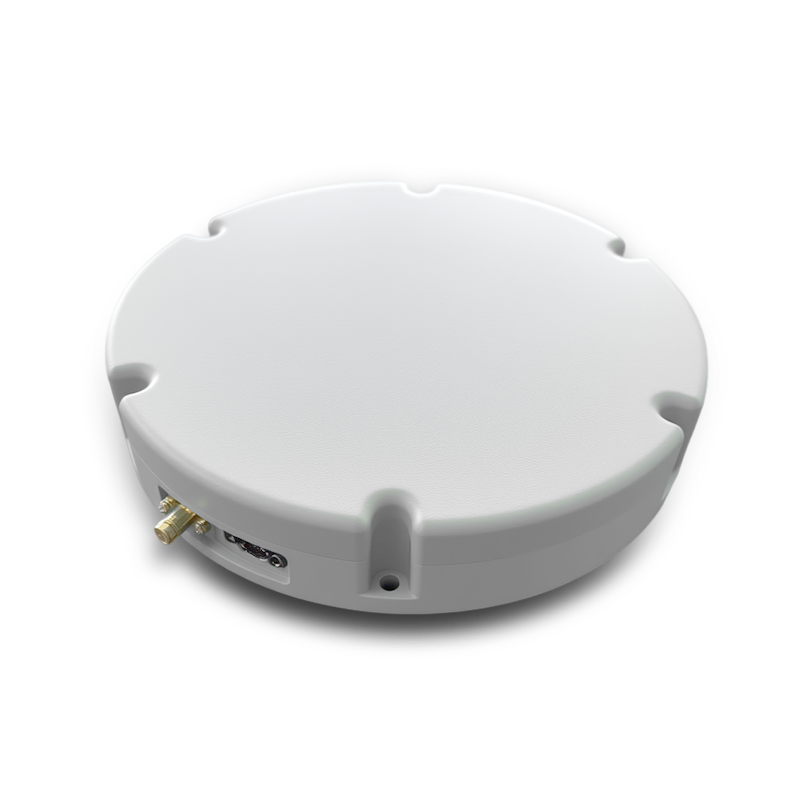
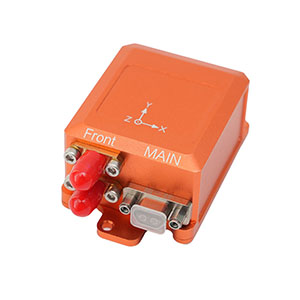
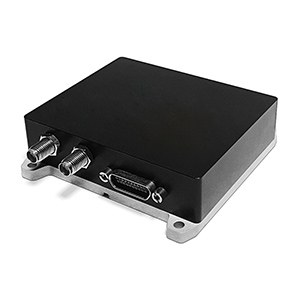
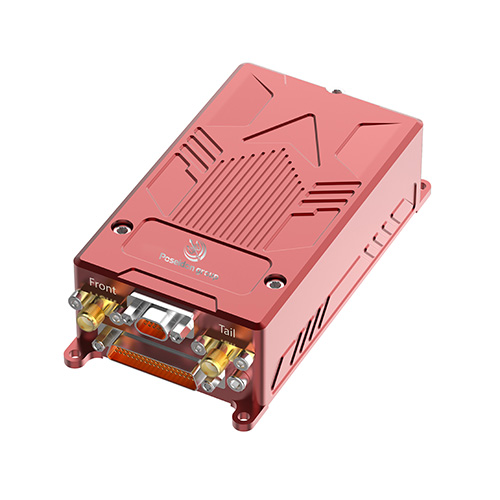
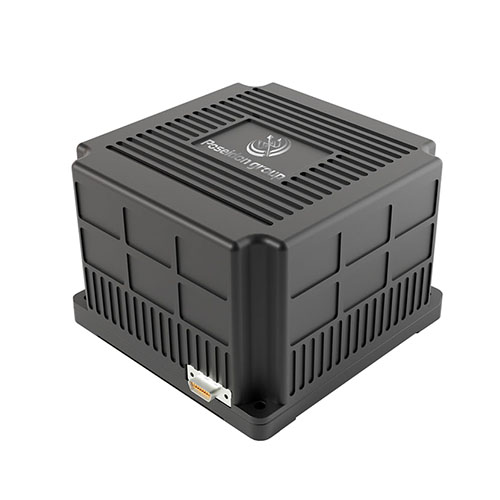
You know, with all the tariff challenges popping up these days, it’s really impressive to see how resilient Chinese manufacturers have been, especially when it comes to advanced tech solutions. Take Poseidon International Group (Hong Kong) Limited, for instance. They’ve been around since 2013, and they’ve shown that innovation can really flourish, even when geopolitical tensions are running high. They focus on independently researching, designing, and producing critical components like fiber optic gyroscopes (FOG) and inertial navigation systems (INS). Honestly, they’re right at the cutting edge of the industry! One of their standout products, the Strapdown IMU, is a real game-changer, blending precision with reliability for all sorts of applications around the globe. As the international market shifts and adapts to these new trade dynamics, it’s fascinating to see how companies like Poseidon are navigating these waters. It really gives us some valuable insights into what the future of Chinese manufacturing might look like and how it could affect global markets.
Navigating Tariff Challenges How Best Strapdown Imu from China Thrives in Global Markets

Understanding the Impact of U.S.-China Tariff Policies on Global Trade Dynamics

You know, the whole U.S.-China tariff situation is really shaking up global trade these days, especially for industries that depend on high-tech parts, like the strapdown Inertial Measurement Unit (IMU) sector. I mean, reports from the World Trade Organization are showing that U.S. tariffs on Chinese products have really jacked up costs for manufacturers. This has forced a lot of companies to rethink their supply chains. For instance, the average tariff that products coming from China have to deal with jumped from around 3% to almost 25% for some electronic components, which is a pretty big deal when you think about production costs and pricing strategies.

In the middle of all this, companies like Best Strapdown IMU are getting creative to handle these bumps in the road. They’ve been diversifying their supply chains and putting money into local manufacturing to lessen the impact of those tariffs, all while keeping themselves competitive in the global market. There’s even a study from Statista that predicts the IMU market is set to grow from about $3.4 billion in 2020 to $5.9 billion by 2026. This just goes to show how crucial it is to adapt strategically. The trick is really about using new technologies while also keeping an eye on the tariff impacts, which is key to driving growth and staying resilient, especially with all the uncertainties in global trade out there.

Navigating Tariff Challenges How Best Strapdown Imu from China Thrives in Global Markets

Key Strategies for Chinese Manufacturers to Overcome Tariff Obstacle

You know, dealing with the tangled web of global tariffs can really throw a wrench in the works for Chinese manufacturers, especially when it comes to precision instruments. To tackle these tariff hurdles, companies need to think outside the box and come up with a few smart strategies that focus on being innovative and flexible. A big part of that is diving into advanced technologies to boost product quality while keeping production costs in check. This way, manufacturers can not only stay competitive on the world stage but also charge a bit more for their products, which can help balance out those pesky tariff effects.

Another big piece of the puzzle is looking for new market opportunities. Chinese manufacturers should totally check out some non-traditional markets that don’t have all the same hefty tariffs as the usual ones. Forming partnerships and building distribution networks in these rising markets could give them a nice bump in revenue and help get around the risks that come from being too reliant on just a few markets. Plus, by engaging with local players and getting the hang of customs rules, they can ease their way in and run operations smoother, which is pretty crucial to thriving even when tariffs are in play. Adopting this proactive mindset can really help a company become more resilient and adaptable in this fast-changing global market.

The Role of Innovation in the Success of Strapdown IMU Products

Hey there! So, you know how competitive the strapdown Inertial Measurement Unit (IMU) scene is? Well, keeping things fresh and innovative is key if you want to make a mark in the global market. It’s wild to think that this segment of the navigation industry could hit around $2.3 billion by 2026 – pretty impressive, right? That’s according to a recent report from MarketsandMarkets. This boom is largely driven by some serious tech advancements and the growing need for precise navigation across all kinds of fields, from aerospace to automotive and even robotics. And here's the thing: Chinese manufacturers are in a pretty sweet spot, thanks to their tech skills and cost efficiency, making them ready to thrive as the market evolves.

If companies want to stay ahead of the game, especially when facing tariffs and stiff global competition, they really need to keep innovating. Putting the spotlight on research and development not only boosts product performance but also helps build a loyal customer base. For example, by integrating some cutting-edge algorithms and AI in strapdown IMUs, they can massively enhance accuracy and tackle drift issues, which is something customers really care about.

**Quick tip:** Teaming up with universities or tech startups could be a game changer for you. Collaborations like that can spark some major innovations, making your products stand out in the crowd.

Besides tech upgrades, it’s super important for manufacturers to focus on user-friendly designs and modular systems. Why? Because this flexibility means users can easily weave IMUs into their existing setups, and let’s be honest – with today’s fast-paced world, quick deployments are absolutely essential.

**Another tip:** Don’t forget to collect customer feedback regularly! This can help steer your product development in the right direction, ensuring that your innovations hit the mark when it comes to market needs.

Case Studies: Successful Chinese Companies Thriving Amid Tariff Challenges

These days, with all the tariffs on the rise and the global landscape constantly shifting, it's pretty impressive to see how Chinese companies are not just surviving but actually thriving. Take this ecommerce giant, for instance. They've really done their homework and come up with smart strategies to handle the challenges that come with tariffs. Their knack for being agile and innovative shows just how crucial these traits are when you’re dealing with tricky trade situations. As the global economy faces a ton of hurdles, being able to adapt quickly is definitely a great advantage.

On top of that, China is really stepping up as an innovation leader, ramping up its game in advanced industries. A lot of this growth is thanks to serious investments in research and development, especially in universities and tech startups. Just look at the companies working on cutting-edge stuff like fiber optics and inertial navigation systems—it's clear that moving towards a more productive economy means constantly pushing for innovation. The grit and determination these businesses exhibit reflect a larger trend among Chinese firms. They're finding ways to not only cope but also succeed despite the external pressures they face. It’s a fascinating time and really highlights the creativity of Chinese companies, pointing towards a future filled with productivity and tech advances, even in light of the global challenges ahead.

Navigating Tariff Challenges How Best Strapdown Imu from China Thrives in Global Markets

Future Trends: What Lies Ahead for China’s Export Market in a Tariff Era

You know, in today's world of tariffs, the landscape for Chinese exports is really changing quite a bit. I came across some fresh data from the World Bank that shows China’s exports actually took a hit—about a 3% drop in the last year. That’s mostly because of those pesky tariffs and the ongoing trade tensions with major players like the United States. But it’s not all doom and gloom! A lot of manufacturers are stepping up and finding ways to adapt. They're optimizing their supply chains and mixing up what they offer. Take advanced manufacturing and tech, for example—those industries are really booming and helping to create a robust export portfolio, which means China can still hold its own, even with all these tariffs in play.

Looking ahead, it seems like the Export-Import Bank of China is feeling optimistic. They’re forecasting a gradual bounce back, projecting a 5% rise in exports by 2024. That’s largely because companies are getting creative with tech upgrades and building stronger trade partnerships. And let’s not forget the explosion of sectors like electric vehicles and renewable energy—they're set to lead the charge in this growth.

On top of that, the shift towards e-commerce and digital platforms has been a game-changer for Chinese businesses. They’re now connecting with customers around the globe way more efficiently, which helps counteract some of the downsides of tariffs. So yeah, while there are definitely still challenges to tackle, the resilience and flexibility of China’s export market really show how dynamic things can be, even when navigating all these tough tariff waters.

Building Resilience: How Chinese Companies Adapt to Changing Trade Landscapes

You know, these days, the global trade scene is changing faster than ever, and it's pretty impressive to see how Chinese companies are bouncing back from tariff challenges. The key to survival? Adapting quickly—especially for tech firms like Poseidon International Group (Hong Kong) Limited. Since they kicked things off back in 2013, Poseidon has really carved out a niche for itself with high-tech goodies like fiber optic gyroscopes (FOG) and inertial navigation systems (INS). But what really stands out is how they've tackled the international market's rollercoaster ride, always keeping innovation and strategic thinking front and center.

One big play for firms like Poseidon is pouring resources into independent research and development. It’s like their secret weapon! By securing multiple technical patents, they’re not just showing off; they’re proving they’re serious about pushing technology that meets global standards, while still catering to local needs. This proactive mindset gives them the edge—like being able to pivot when trade tariffs come into play. They’re not just surviving; they’re thriving despite these complex trade policies. It's clear that with tech innovation and smart planning, Chinese companies are stepping up their game and proving they can adapt and excel, even when the going gets tough.

FAQS

: How have U.S.-China tariff policies affected global trade dynamics?

: U.S.-China tariff policies have significantly increased costs for manufacturers, leading to a recalibration of supply chains, particularly affecting sectors such as the high-tech components industry.

What are the average tariff rates on Chinese goods today?

The average tariff on products from China has risen from 3% to nearly 25% for certain electronic components.

How have companies like Best Strapdown IMU responded to tariff challenges?

They have navigated these challenges by diversifying their supply chains and investing in local manufacturing to maintain competitiveness in global markets.

What is the projected growth of the IMU market?

The IMU market is anticipated to grow from USD 3.4 billion in 2020 to USD 5.9 billion by 2026.

What strategies can Chinese manufacturers adopt to overcome tariff obstacles?

Chinese manufacturers can invest in advanced technologies, diversify market access, and build partnerships in non-traditional markets to mitigate the impacts of tariffs.

Why is investment in advanced technologies important for manufacturers?

Investing in advanced technologies enhances product quality and reduces production costs, helping manufacturers sustain competitiveness and justify premium pricing.

What role do emerging markets play for Chinese manufacturers?

Emerging markets may impose fewer tariffs, providing alternative revenue streams and mitigating risks associated with reliance on established economies.

How do local partnerships help Chinese manufacturers?

Engaging with local stakeholders and customs regulations facilitates smoother operational efficiency and market entry in non-traditional markets.

What strategies are companies like Poseidon International Group using to adapt to trade challenges?

Poseidon is investing in independent research and development, holding multiple technical patents, and emphasizing innovation to mitigate tariff risks.

What proves the resilience of Chinese companies in the face of trade challenges?

Their ability to adapt through strategic planning and innovation allows them to thrive despite the uncertainties posed by global trade policies.

Sophie

Sophie

Sophie is a dedicated marketing professional at Poseidon, a pioneering company established in 2013, specializing in the independent research, design, and production of advanced technologies, including fiber optic gyroscopes (FOG), inertial navigation systems (INS), and autonomous driving systems.......
Previous How the Best Inertial Sensor System Fuels China's Manufacturing Growth Amidst US-China Tariff Challenges