Leave Your Message
0%

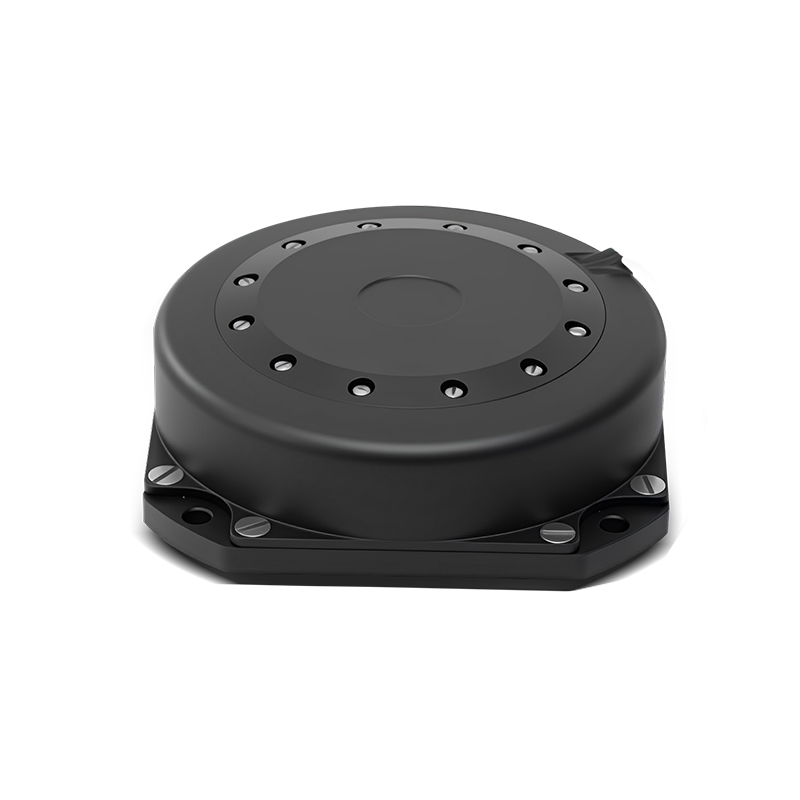
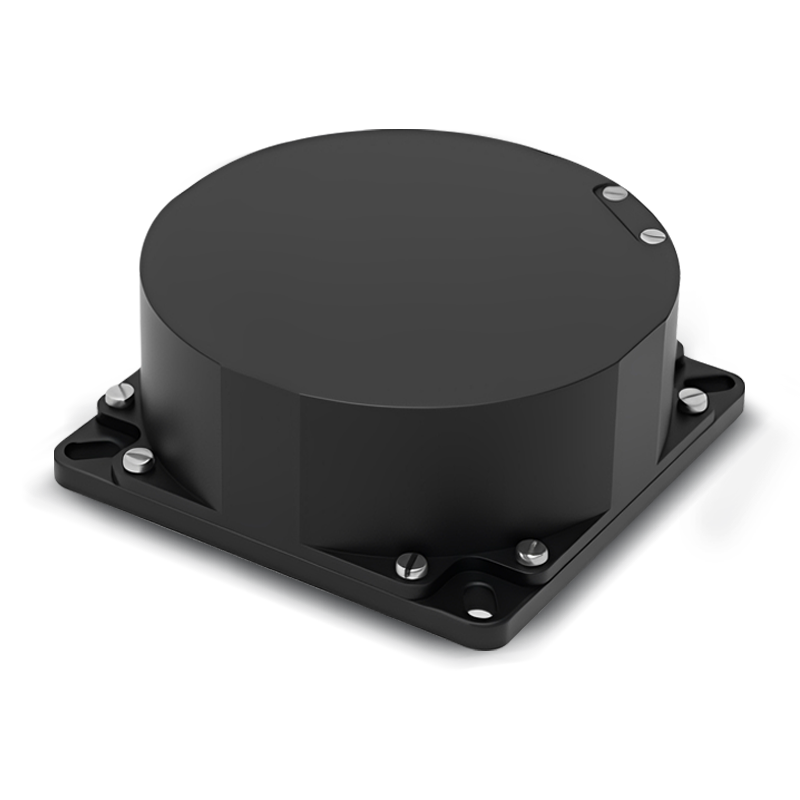
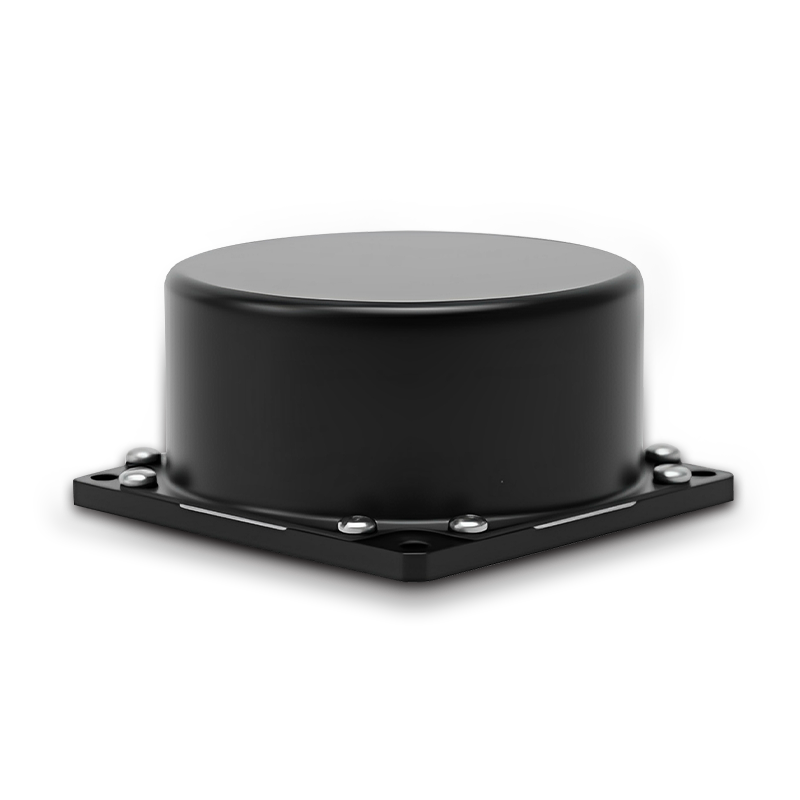
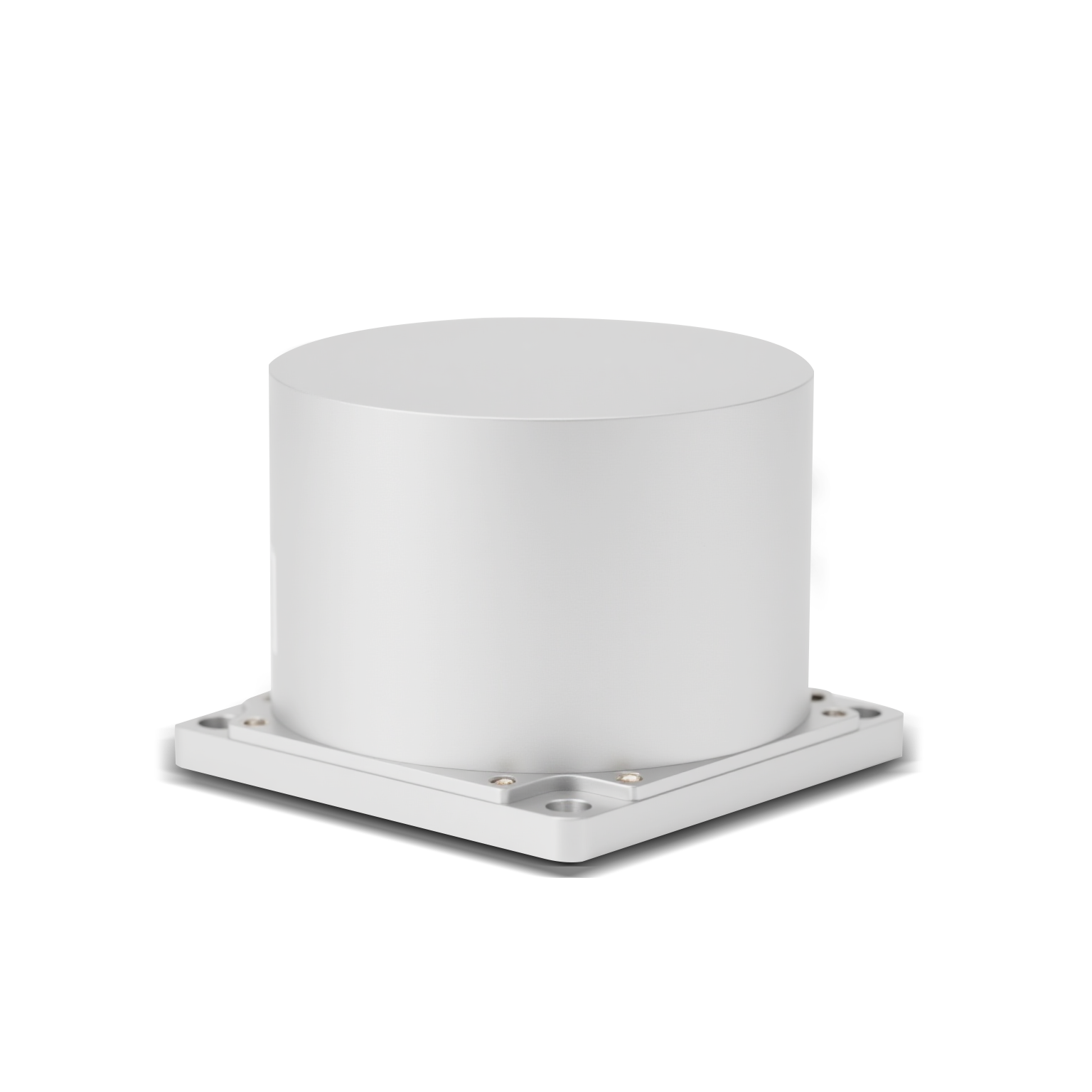
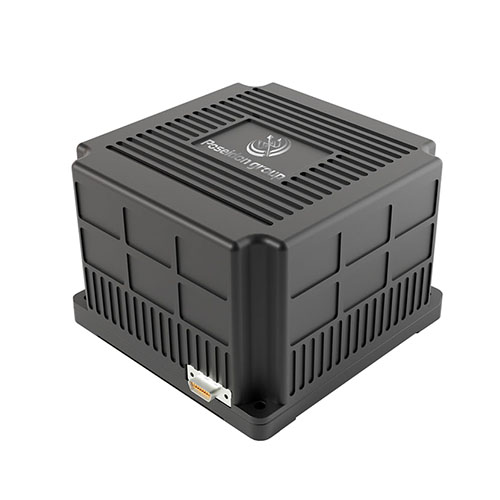
In the fast-changing world of maritime navigation, sticking solely to traditional Marine Inertial Navigation Systems (INS) can be both a challenge and an opportunity for innovation. As global shipping expands and the need for even greater accuracy grows, it’s really important to look into new alternatives—things that might even outdo the existing tech. Here at Poseidon International Group (Hong Kong) Limited, which was founded back in 2013, we focus on independently researching, designing, and manufacturing advanced systems like fiber optic gyroscopes and inertial navigation setups. Our passion for innovation has earned us several patents, helping us stay ahead of the curve when it comes to next-gen navigation solutions. In this blog, we’re going to explore some top strategies to boost the precision of marine navigation and see how fresh, innovative ideas can totally transform maritime safety and efficiency.
Exploring Innovative Alternatives to Marine Inertial Navigation Systems for Enhanced Precision

Innovative Approaches in Marine Navigation: A Comprehensive Overview

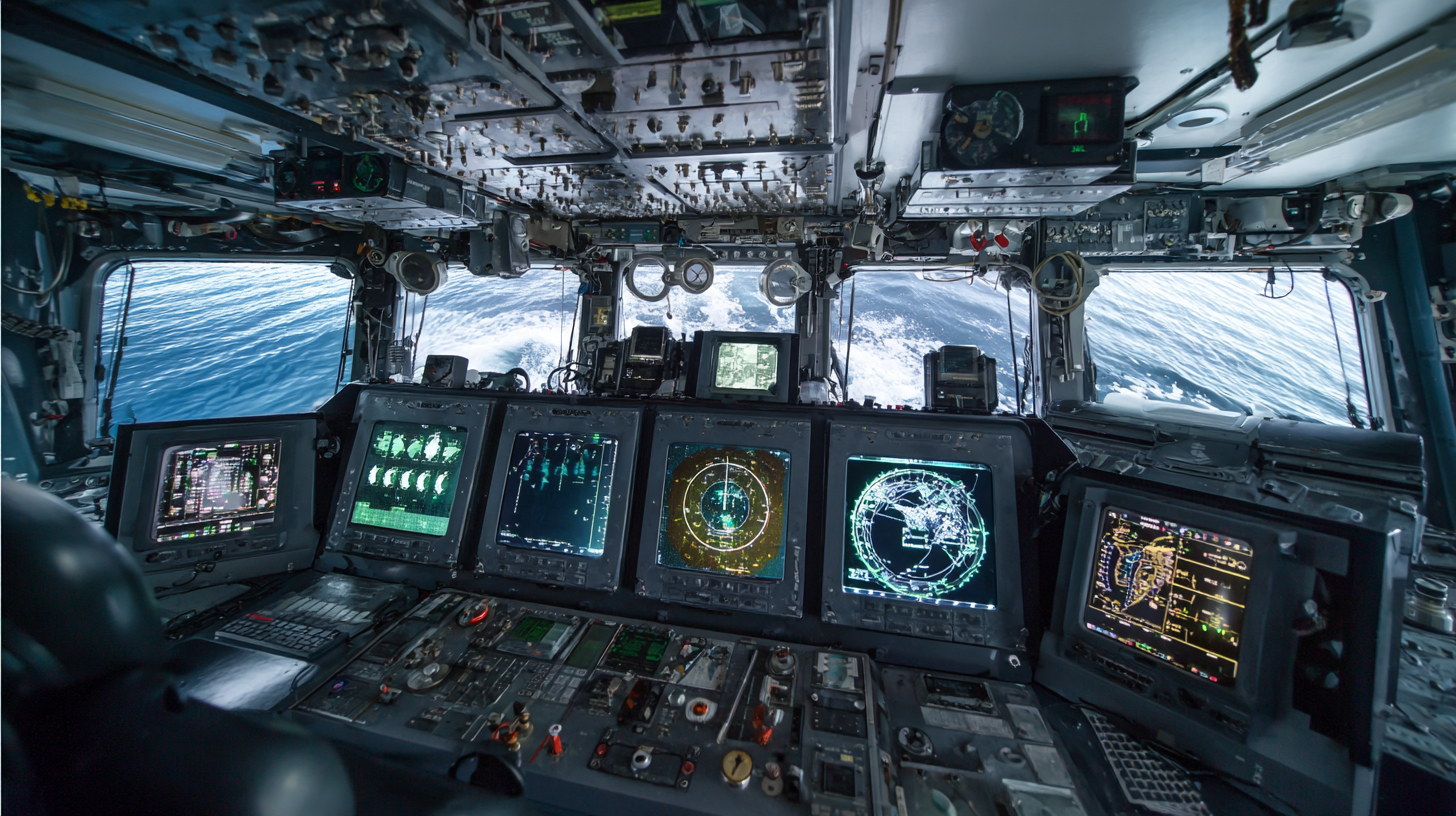
When it comes to marine navigation, coming up with innovative approaches is pretty much essential if we want to get better accuracy and do our part for the environment. Honestly, with challenges like climate change and protecting our oceans getting more urgent by the day, it’s clear that we need to bring advanced tech into marine inertial navigation systems. Things like AI and data analysis are really changing the game, helping us make navigation in tricky marine conditions more reliable and precise.

On top of that, teamwork is absolutely key here. Marine research and development efforts need to come together—collaborating on new ideas that not only improve navigation precision but also support sustainable use of ocean resources. I mean, just think about that recent conference on marine surveying—everyone was buzzing about new techniques for deep-sea exploration and resource management. If the marine industry keeps fostering innovation like this, we can really tap into some groundbreaking solutions that tackle today’s challenges while supporting peaceful and sustainable growth in ocean-based sectors.

Evaluating Traditional Inertial Navigation Systems: Strengths and Limitations

Traditional inertial navigation systems, or INS for short, have been pretty much the backbone of marine navigation for ages. They provide key data like position, speed, and acceleration—stuff that's absolutely crucial for safe and smooth sailing. One of the biggest perks? They don’t need external signals, which means they’re pretty much immune to jamming or interference. That’s a huge plus, especially when you're sailing in contested waters or out in the middle of nowhere. Plus, these days, modern INS are packed with advanced sensors and algorithms that keep getting better and more reliable, offering impressive accuracy.

That said, it's not all sunshine and rainbows. These systems do have their quirks. Probably the biggest issue is this thing called sensor drift—over time, tiny errors can accumulate, throwing off your position. So, you often have to recalibrate or correct the system with external references, like GPS. Problem is, GPS isn’t always available or dependable—think bad weather, remote locations, or jamming scenarios. On top of that, the fancy sensors involved can be pretty pricey, and putting all this tech together isn’t exactly a walk in the park—especially for smaller boats. As the maritime world keeps evolving, everyone’s looking into new, innovative solutions that can work alongside or even improve upon traditional INS. The goal? More precise, reliable navigation that keeps up with the demands of modern seafarers.

Innovative Alternatives to Marine Inertial Navigation Systems

Cutting-edge Technologies: Alternatives to Marine Inertial Navigation

As maritime tech keeps advancing, there's a growing buzz around the need for more precise navigation systems out at sea. I mean, we’ve relied on traditional inertial navigation systems (INS) for ages—they’ve done the job pretty well. But now, newer tech is really starting to shake things up. I recently came across a report by ResearchAndMarkets, and it’s pretty wild—by 2026, the global market for marine navigation gear could hit around $8.2 billion. That’s mainly thanks to cool innovations in satellite and ground-based navigation, like real-time kinematic (RTK) positioning and machine learning algorithms, which are making pinpoint accuracy a whole lot better.


One of the most promising new approaches these days is called hybrid navigation—basically, mixing INS with global navigation satellite systems (GNSS) and other sensors. A study in the Journal of Navigation suggests these hybrid setups can boost positional accuracy by up to 50% compared to just traditional INS alone. Plus, adding optical and acoustic sensors helps even further, especially in tricky marine environments where GPS signals can get weird or unreliable. As all this tech keeps evolving, it feels like we’re on the edge of a whole new level of navigation precision. That means safer trips and more efficient operations out on the water—pretty exciting stuff, honestly.

Integrating Sensor Fusion: Enhancing Accuracy and Reliability in Navigation

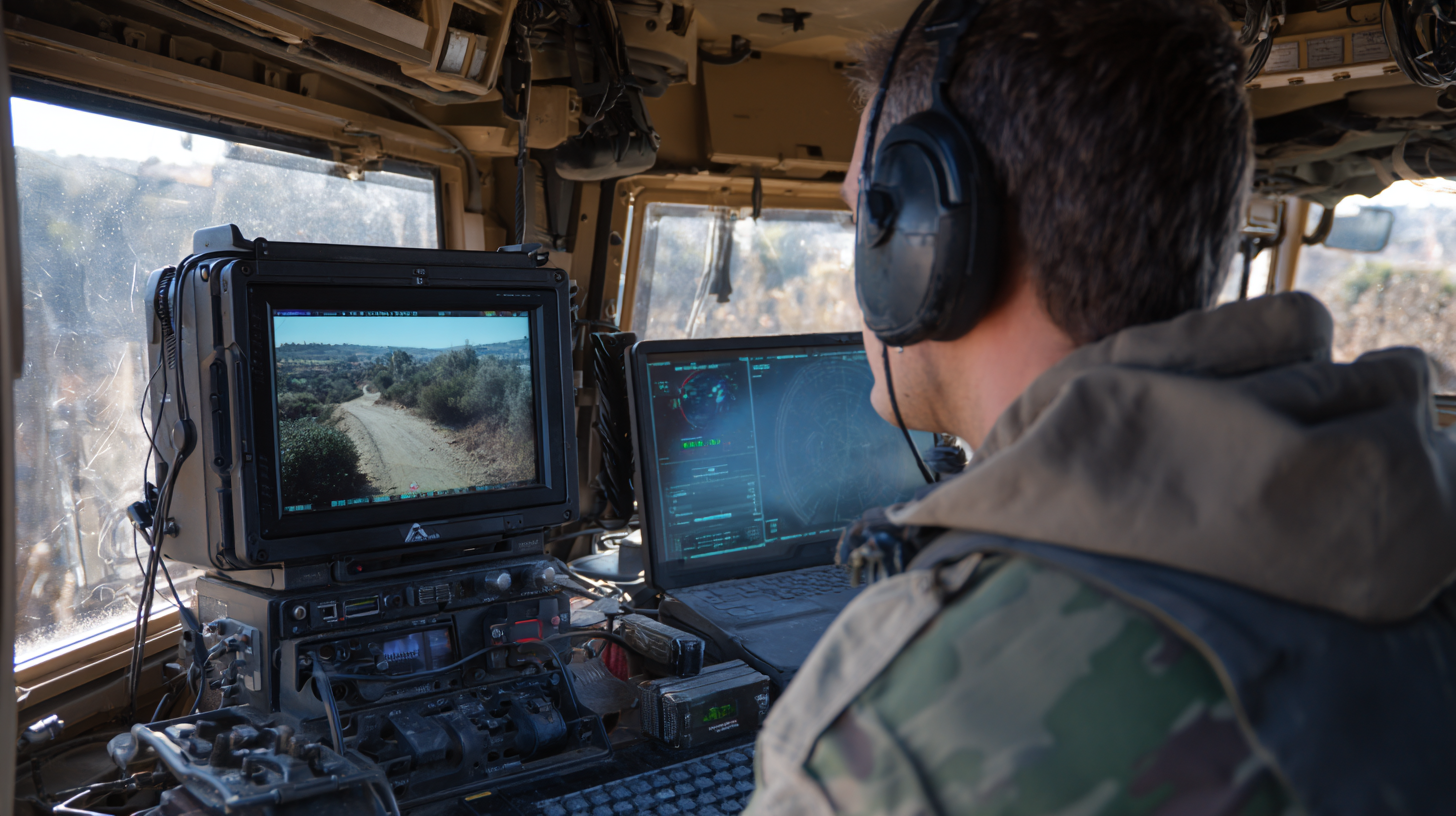
Nowadays, when it comes to navigation tech, sensor fusion is really changing the game across a bunch of different areas—especially in marine inertial navigation systems. Techniques like GPS and VIO combined through factor graph methods are showing some pretty impressive improvements in accuracy. Plus, they’re tackling the tricky issues of spoofing and jamming attacks that can mess things up. As both military and civilian sectors rely more and more on various satellite correction services, experts keep pointing out the importance of developing solid, reliable solutions that make the most of these new tech advances.

Exploring Innovative Alternatives to Marine Inertial Navigation Systems for Enhanced Precision

On top of that, we’re seeing a big push toward multi-sensor fusion algorithms powered by AI and machine learning. These really boost the precision and dependability of navigation systems. Looking at the market, it’s clear that the drone sensor industry is on the rise—projected to grow at about $10\% annually from 2024 to 2030—which shows just how much there's a demand for navigating tricky, ever-changing environments. And with recurrent neural networks now being used in multi-sensor fusion algorithms, we’re moving toward smarter, real-time adapting systems. That’s a huge step for making autonomous vehicles and drones better at making decisions on the fly. All these tech trends coming together aren’t just making current systems more efficient—they’re laying the groundwork for the future of navigation, making it more accurate, reliable, and innovative than ever before.

Case Studies: Successful Implementations of Alternative Navigation Systems

Lately, there’s been a real push to find better navigation solutions for ships and maritime operations. People have been exploring options beyond the traditional inertial navigation systems—stuff like AI-powered tech and fancy sensors are getting a lot of attention. These new approaches show a lot of promise when it comes to making navigation more accurate and dependable. Some real-world examples have showcased how these innovative systems — often fueled by cutting-edge tech — can really make a difference. It’s pretty exciting to see how AI and advanced sensors are changing the game, kind of like what’s happening in the maritime world today.

Take, for example, recent developments with unmanned vehicles, especially in Ukraine’s military efforts. A report I read recently highlighted how these smart, AI-driven systems are proving their worth in tough, unpredictable environments. These tech solutions aren’t just good at keeping their bearings; they’re adaptable too, able to handle all kinds of changes on the fly. It really shows what’s possible when you combine AI with modern navigation tech. Honestly, it’s like they’re setting new standards for accuracy, kinda like the progress we’re seeing in maritime navigation tech — it’s pretty impressive, really.

Future Directions: Trends and Predictions for Marine Navigation Technologies

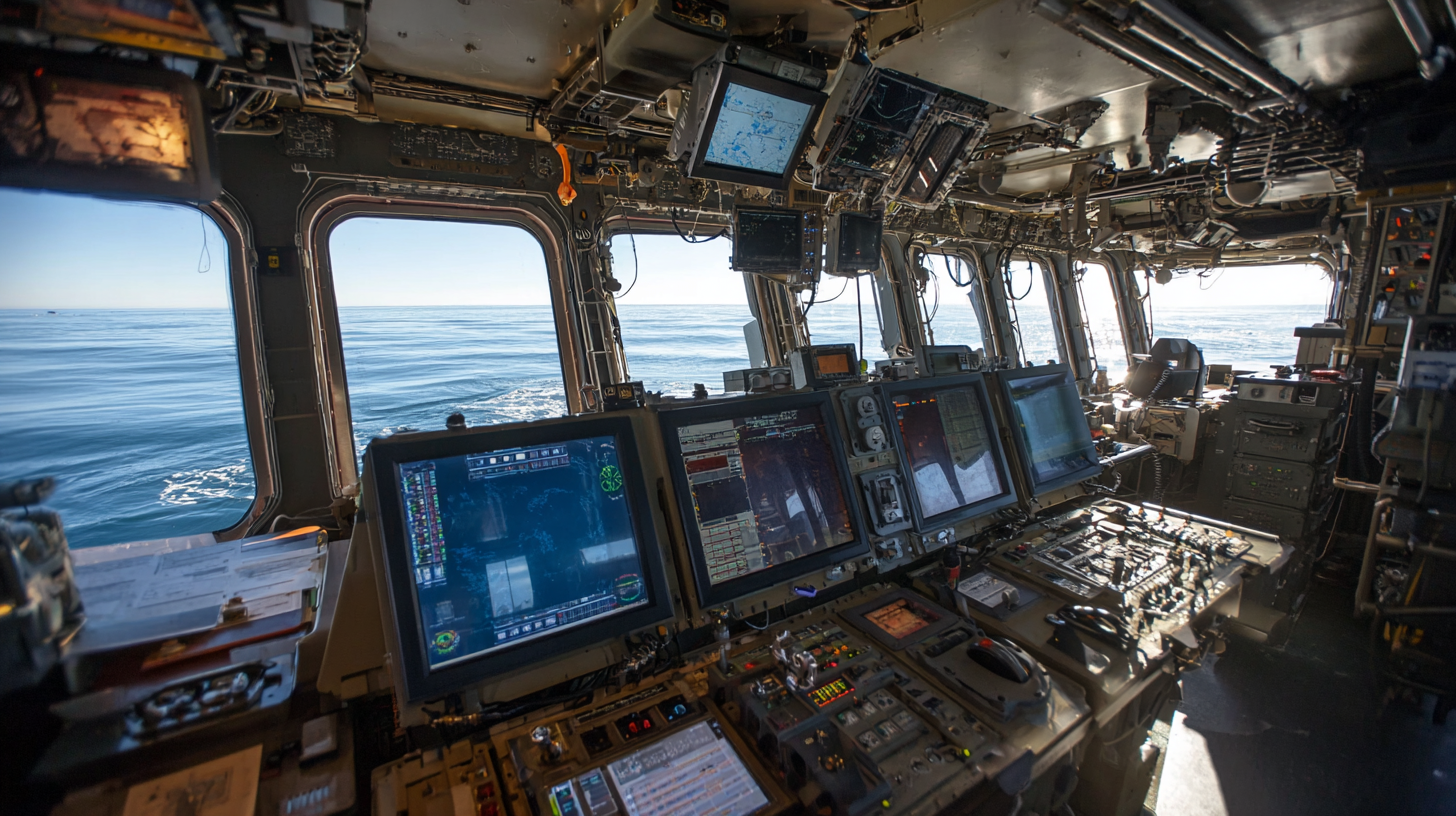
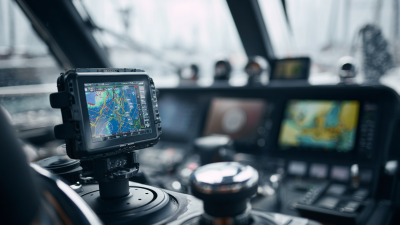
You know, the rapid progress in AI, chip tech, and sensor innovations is really shaking up how we do marine navigation. As things get more precise, folks are starting to look for alternatives to the old-school inertial navigation systems. Right now, a lot of research is focusing on electronic chart navigation—stuff that’s packed with smart features to better understand the environment and support from shore. These new systems are pretty promising when it comes to offering navigation that’s more accurate and reliable, no matter where you are out at sea.

Exploring Innovative Alternatives to Marine Inertial Navigation Systems for Enhanced Precision

At the same time, dedicated navigation tools keep evolving, boosted by the boom in global trade and changing consumer habits. Plus, the integration of smart devices and connected vehicle tech into navigation systems opens up so many new possibilities. We're seeing this happen in sectors like logistics and even agriculture, which is pretty cool. If we keep riding these trends, future marine navigation tech is bound to get even better at making operations safer, more efficient, and precise—setting the stage for some serious leaps forward in maritime travel and commerce.

FAQS

: What are alternative navigation systems in maritime operations?

: Alternative navigation systems refer to innovative solutions that enhance precision and reliability in maritime operations, utilizing advanced technologies such as artificial intelligence and sensor integration instead of traditional marine inertial navigation systems.

How have unmanned systems illustrated the effectiveness of alternative navigation technologies?

Unmanned systems, particularly in military contexts like Ukraine, have showcased their ability to maintain navigational accuracy and adapt to dynamic operational changes by leveraging AI, demonstrating the practical benefits of alternative navigation technologies.

What role does artificial intelligence play in modern navigation systems?

Artificial intelligence plays a crucial role in modern navigation systems by improving navigational accuracy, enabling systems to adapt to changes, and setting new performance standards for precision in navigation.

What innovations are influencing the development of marine navigation technologies?

Key innovations influencing marine navigation technologies include advancements in artificial intelligence, semiconductor technology, and sensor innovation, which collectively drive the transformation of navigation systems towards greater accuracy and reliability.

How are electronic chart navigation systems evolving?

Electronic chart navigation systems are evolving by incorporating intelligent features that enhance environmental perception and support from shore-based resources, leading to more accurate and reliable navigation solutions.

What sectors can benefit from the integration of smart terminals and connected vehicle technologies?

The integration of smart terminals and connected vehicle technologies in navigation systems can benefit various sectors, including logistics, agriculture, and maritime travel, by expanding functionality and improving operational efficiency.

What future trends are expected in marine navigation technologies?

Future trends in marine navigation technologies are expected to focus on enhanced precision, efficiency, safety, and adapting to modern consumer preferences, driven by technological advancements and increasing global economic activity.

How do alternative navigation systems improve operational efficiency in maritime travel?

Alternative navigation systems improve operational efficiency by providing accurate navigation solutions that can adapt to changing conditions, thus enhancing safety and streamlining maritime operations.

Why is there a shift towards alternatives to traditional marine inertial navigation systems?

There is a shift towards alternatives due to the limitations of traditional systems in precision and reliability, coupled with advancements in new technologies that offer superior performance in various maritime applications.

What is the significance of the case studies mentioned in the blog?

The case studies highlight the real-world successes of alternative navigation systems, demonstrating their effectiveness and the potential benefits of adopting cutting-edge technologies in maritime operations.

Emily

Emily

Emily is a dedicated marketing professional at Poseidon, a pioneering company founded in 2013 that specializes in independent research, design, and production of cutting-edge technologies such as fiber optic gyroscopes (FOG), inertial navigation systems (INS), and advanced autonomous driving......
Previous How the Best Inertial Sensor System Fuels China's Manufacturing Growth Amidst US-China Tariff Challenges