Picking the right Fiber Optic Gyroscope can feel a bit overwhelming sometimes, right? With so many options out there, it’s really important to get a clear picture of what you actually need. Whether you're after precision for aerospace stuff or looking for stability to navigate the seas, the choice you make can really make a difference.
Things like size, weight, and sensitivity are big factors. Some folks might want something super compact for drones, while others might need a rugged, industrial-grade device. Finding that sweet spot between these elements can really help you make a smarter decision.
And hey, don’t be shy about reaching out to industry pros. They’ve got the knowledge of the latest tech and can offer some pretty valuable insights. Picking a good Fiber Optic Gyroscope isn’t just about performance — it’s also about really understanding your project’s needs. Doing it right from the start can help you avoid common mistakes and set you up for success.
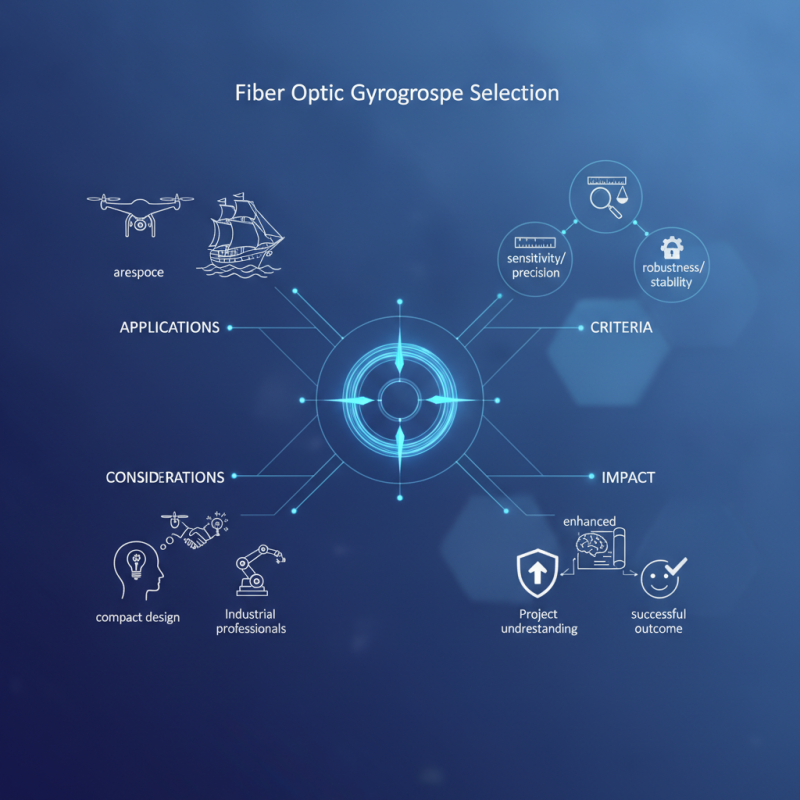
Understanding Fiber Optic Gyroscopes and Their Applications
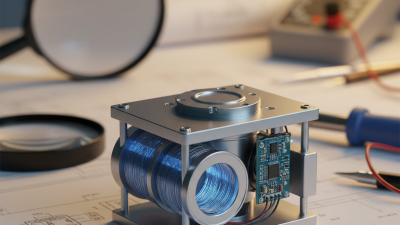
Fiber optic gyroscopes (FOGs) are vital tools in various applications. They excel in navigation and stabilization systems. These devices rely on the interference of light to measure angular rotation accurately. This technology provides high precision while being smaller and lighter than traditional gyroscopes.
FOGs find use in aerospace, marine, and automotive industries. They assist in guiding aircraft and ships, enhancing safety. In automotive applications, FOGs improve vehicle navigation systems. Their ability to maintain accuracy over time makes them indispensable. However, FOGs can be sensitive to environmental conditions, which may affect performance.
Selecting the right Fiber Optic Sensor Gyroscope requires understanding your specific needs. Assess factors like size, weight, and environmental resilience. While some FOGs offer exceptional precision, they may not be necessary for all applications. Consider your requirements carefully. A balance between performance and cost-effectiveness is crucial.
Key Specifications to Consider When Selecting a Fiber Optic Gyroscope
When selecting a fiber optic gyroscope, key specifications are crucial. One important factor is the sensitivity of the gyroscope. Higher sensitivity allows for accurate measurements in dynamic environments. For applications like navigation, a sensitivity of less than 0.01 degrees per hour might be necessary. However, more sensitivity can also lead to higher costs. Balancing performance and budget is essential.
Another specification to consider is bandwidth. A gyroscope with a wider bandwidth can track rapid movements effectively. For aerospace applications, a bandwidth of 10 to 100 Hz is often needed. Ensuring that your gyroscope meets these requirements can lead to better performance. Don't overlook noise performance either. Low noise enhances the reliability of the measurements.
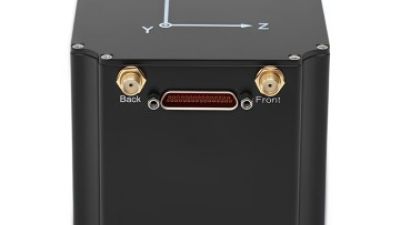
Additionally, the physical dimensions and weight of the gyroscope matter significantly. Compact designs can be beneficial for limited space applications, while heavier units may be more robust. The
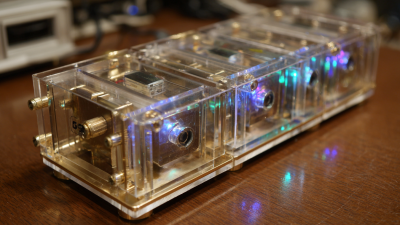
Poseidon Fiber Optic Gyroscope, with its compact size, exemplifies this balance. Assess your specific needs carefully. Seeking expert advice can help navigate complex specifications. Every choice made here lays the groundwork for future projects.
Evaluating Accuracy and Stability in Fiber Optic Gyroscopes
When selecting a fiber optic gyroscope, accuracy and stability are paramount. Accuracy refers to how closely the gyroscope's measurements reflect the true value. Small errors can significantly impact performance, especially in critical applications. Stability, on the other hand, involves how consistently the gyroscope performs over time. A stable device allows for reliable long-term measurements.
Tips: Always check the specifications for bias stability and noise performance. These indicators can illuminate the gyroscope's reliability. Look for a gyroscope with low drift rates, particularly if you need precise orientation data.
Physical testing can provide valuable insights into performance. However, many users overlook the importance of real-world scenarios. Simulate the actual conditions where the gyroscope will operate. Assess how environmental factors like temperature and vibration affect accuracy.
Further reflection is necessary in achieving the ideal balance between accuracy and cost. High-precision models may not be necessary for all applications. Determine the acceptable error margins for your specific use case. This approach saves resources without compromising essential functionality.
Assessing Environmental Conditions for Gyroscope Performance
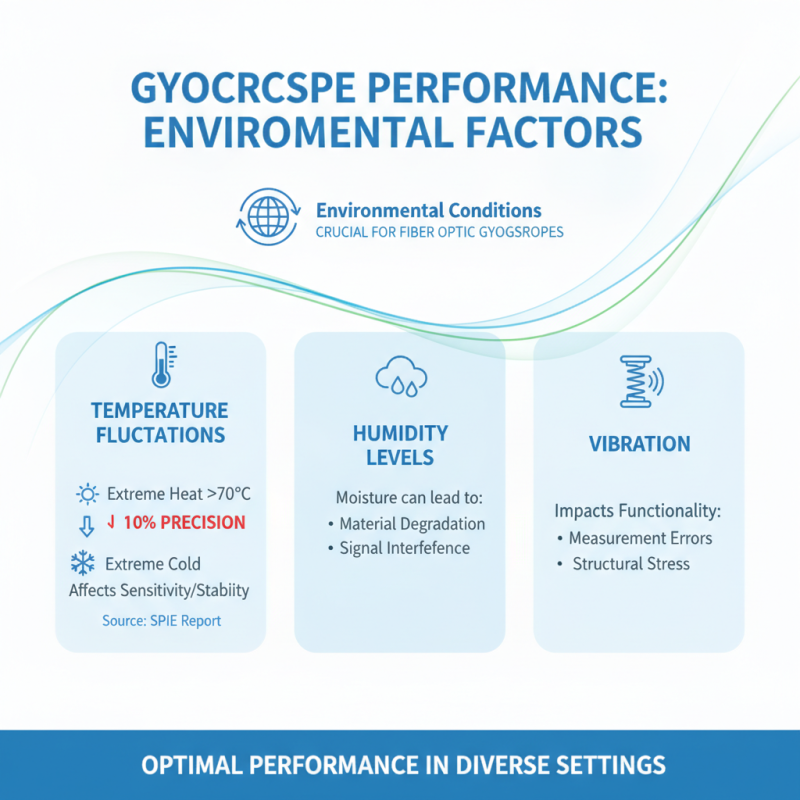
When selecting a fiber optic gyroscope, understanding environmental conditions is crucial. These gyroscopes must perform optimally in diverse settings. Temperature fluctuations, humidity levels, and vibration can all affect their functionality. Research indicates that extreme temperatures can impact the sensitivity and stability of gyroscopes. For instance, a report from The International Society of Optical Engineering highlights that precision can decrease by 10% at temperatures above 70°C.
Humidity plays a significant role as well. Excess moisture can lead to optical component degradation. Higher humidity levels may increase the risk of signal noise and degradation, ultimately affecting measurement accuracy. Reports suggest that systems in humid environments should include protective measures to ensure reliability.
Vibration is another environmental factor that can influence performance. Excessive vibrations can result in erroneous readings. Data from The Institute of Electrical and Electronics Engineers shows that the standard procedure for mounting gyroscopes addresses these concerns. Rigorous testing under various conditions remains vital to guarantee reliable operation. Careful consideration of these factors is essential in selecting the right fiber optic gyroscope for your specific application.
Comparing Different Brands and Models of Fiber Optic Gyroscopes
When selecting a fiber optic gyroscope, comparing various brands and models is crucial. Different models offer diverse features that cater to a myriad of applications. Key specifications include sensitivity, drift rate, and temperature range. Reports indicate that the global market for fiber optic gyroscopes is projected to reach $1.5 billion by 2025, driven by demand in aerospace and defense sectors.
Given the importance of precision, users should consider the Six Axis Fiber Optic Gyroscope. This model enhances stability and accuracy across multiple axes. In applications where orientation matters, its performance can surpass traditional gyroscopes. However, variations in calibration processes between brands may affect reliability. Users must ensure proper calibration techniques suited to their specific needs.
While making a selection, evaluate support and warranty options. Not all manufacturers provide comprehensive support, which can lead to challenges in troubleshooting. Choosing a gyroscope from a well-reviewed brand may increase reliability. Additionally, field tests may reveal shortcomings in precision, encouraging a revised selection approach. Don't hesitate to ask industry professionals for recommendations based on their experiences.
How to Choose the Right Fiber Optic Gyroscope for Your Needs? - Comparing Different Brands and Models of Fiber Optic Gyroscopes
| Model |
Accuracy (°/hr) |
Drift Rate (°/hr) |
Operating Temperature (°C) |
Weight (kg) |
Cost (USD) |
| Model A |
0.01 |
0.5 |
-40 to 85 |
0.75 |
1500 |
| Model B |
0.03 |
1.2 |
-20 to 70 |
1.2 |
1200 |
| Model C |
0.02 |
0.8 |
-30 to 75 |
0.9 |
1800 |
| Model D |
0.015 |
0.6 |
-45 to 85 |
0.88 |
1600 |
| Model E |
0.05 |
2.0 |
-10 to 60 |
1.5 |
1000 |
Budget Considerations: Pricing and Cost-Benefit Analysis
When selecting a fiber optic gyroscope, budget plays a critical role. Prices can vary greatly, often depending on specifications and capabilities. A
Dual Axis Fiber Optic Gyroscope
generally ranges from moderate to high costs. More advanced models offer greater precision but may stretch your budget.
It's essential to assess your specific needs and balance them with your financial constraints.
Cost-benefit analysis is crucial in this decision-making process. Cheaper options may lack performance consistency.
Investing in a high-quality gyroscope can yield better long-term value. You could end up needing multiple cheaper units for the same quality as one reliable unit.
It's worth considering how often the device will be used.
High usage may justify spending more upfront.
Seek out expert opinions when possible. Industry professionals can provide insights into long-term reliability and performance trade-offs. However,
remember that no product is flawless. Even high-end gyroscopes may have limitations. Reflect on your unique usage scenarios and potential growth in requirements over time.
This reflection can guide you in making a sound investment in a fiber optic gyroscope.
Future Trends in Fiber Optic Gyroscope Technology and Innovation
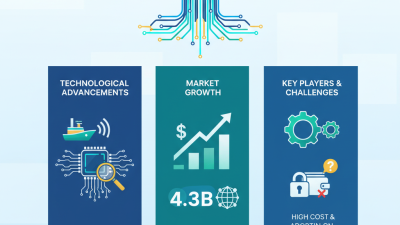
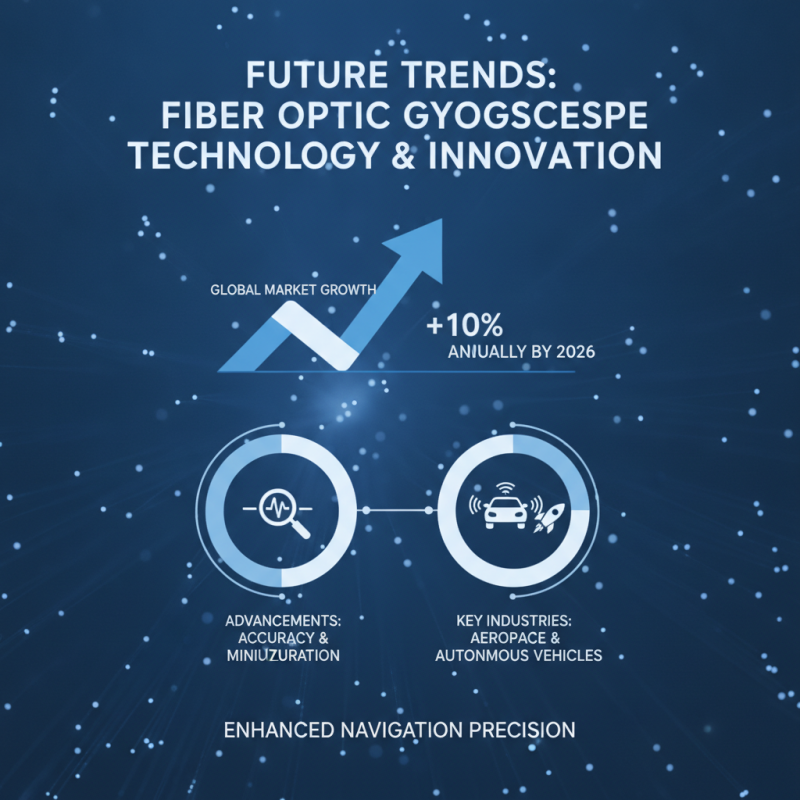
The future of fiber optic gyroscope (FOG) technology is promising. Recent reports indicate that the global fiber optic gyroscope market is projected to grow by over 10% annually through 2026. This growth is driven by advancements in accuracy and miniaturization. Industries such as aerospace and autonomous vehicles are increasingly relying on FOGs for enhanced navigation precision.
Innovative developments are evident in sensor technology and materials science. Researchers are exploring new configurations to improve sensitivity and reduce noise. Reports from industry leaders also suggest that integrating artificial intelligence can optimize data processing, making gyroscopes smarter. However, challenges in manufacturing and cost still need addressing.
Furthermore, environmental sustainability is becoming a focus. Companies are investigating eco-friendly materials and practices for fiber optic gyroscopes. Despite these trends, gaps in understanding long-term reliability persist. Ensuring consistent performance under various conditions remains a priority for engineers. Balancing innovation with practical application will be crucial as the industry evolves.
Innovative Precision Navigation: Exploring the GPS-Aided INS170 with Advanced Closed-Loop Fiber Optic Technology
The advancements in navigation technology have heralded a new era in precision navigation, particularly through the integration of innovative systems like the GPS-Aided Inertial Navigation System (INS170) enhanced by advanced closed-loop fiber optic technology. This novel system harnesses the capabilities of fiber optic gyroscopes (FOG) and micro-electromechanical systems (MEMS) accelerometers, further leveraging multi-system satellite navigation, including GPS, BDS, GLONASS, and Galileo. This combination ensures a remarkable enhancement in accuracy and reliability, with real-time data delivery on heading, speed, and position crucial for various demanding applications.
According to industry data, the global inertial navigation system market is expected to register significant growth, projected to rival a value of several billion USD by 2026. This is largely attributed to the rising demand for high-precision navigation solutions across sectors such as aerospace, marine, and automotive. The INS170 stands out by providing centimeter-level positioning precision, making it exceptionally versatile for applications ranging from vehicle and marine navigation to aerospace operations and engineering surveys. As modern navigation systems evolve, the seamless integration of these advanced technologies will redefine operational efficiencies across numerous fields.
Moreover, with its compact design and low power consumption, the INS170 is particularly well-suited for applications in unmanned aerial vehicles (UAVs) and various mobile platforms. The ability to support external sensors like odometers and Doppler Velocity Logs (DVL) enhances its utility, enabling operators to achieve precise navigation even in the most challenging environments. As industries continue to embrace innovation, the transformative power of advanced navigation systems like the INS170 will be pivotal in meeting increasingly complex navigation requirements.
FAQS
: Fiber optic gyroscopes are used for navigation and stabilization in aerospace, marine, and automotive industries.
They use the interference of light to measure angular rotation accurately.
They offer high precision and are smaller and lighter than traditional gyroscopes.
Consider size, weight, environmental resilience, and your specific needs before making a choice.
Prices vary based on specifications. A cost-benefit analysis helps ensure the right balance between performance and budget.
Cheaper options may lack consistency. Often, one high-quality gyroscope is more beneficial than several lower-quality units.
Yes, environmental conditions can affect their performance, so resilience is important.
Not always. Assess if the precision of advanced models meets your actual needs.
Even high-end models have potential flaws that require consideration and reflection on usage scenarios.
Yes, expert insights can help navigate trade-offs in reliability and performance for long-term satisfaction.
Conclusion
Choosing the right Fiber Optic Gyroscope involves understanding its principles and various applications across industries. Key specifications such as sensitivity, bandwidth, and size should be considered alongside factors like accuracy and stability, which are essential for high-performance requirements. Environmental conditions—such as temperature, humidity, and vibration—can significantly affect gyroscope performance, making it crucial to assess them during selection.
Furthermore, comparing different brands and models can provide insights into the best options available in the market. Budget considerations play an important role as well, necessitating a cost-benefit analysis to ensure value for your investment. Finally, staying informed about future trends in Fiber Optic Gyroscope technology can help in selecting models that are not only suited for current needs but also adaptable for future applications.

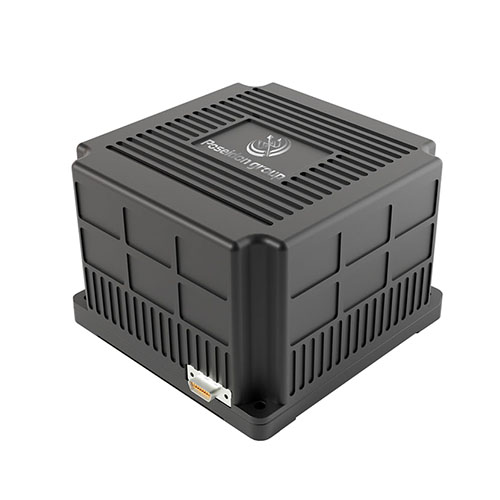 TBSD60
 BSD120
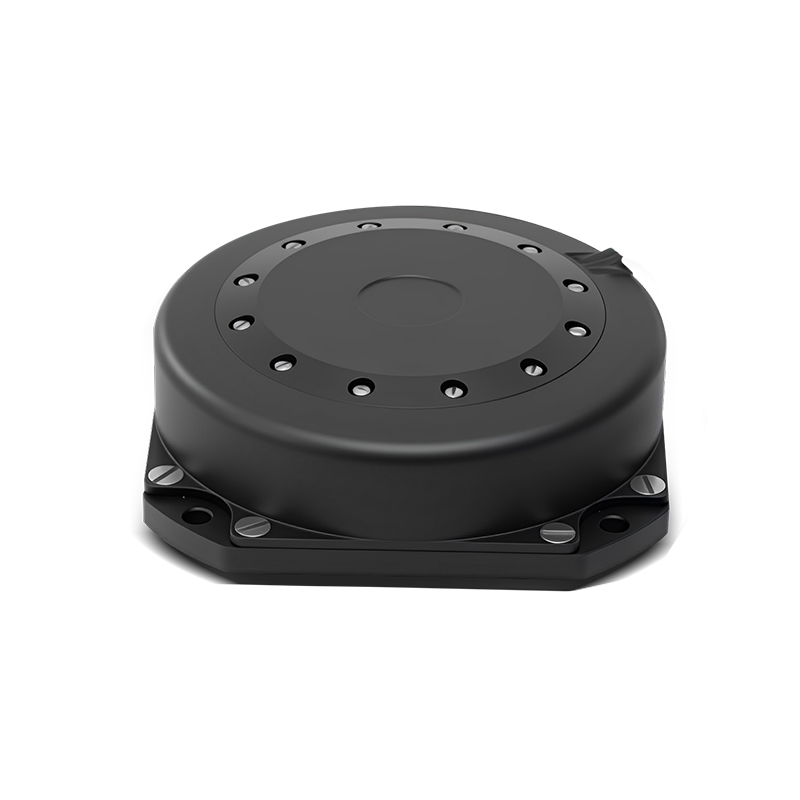 BSD98
BSD98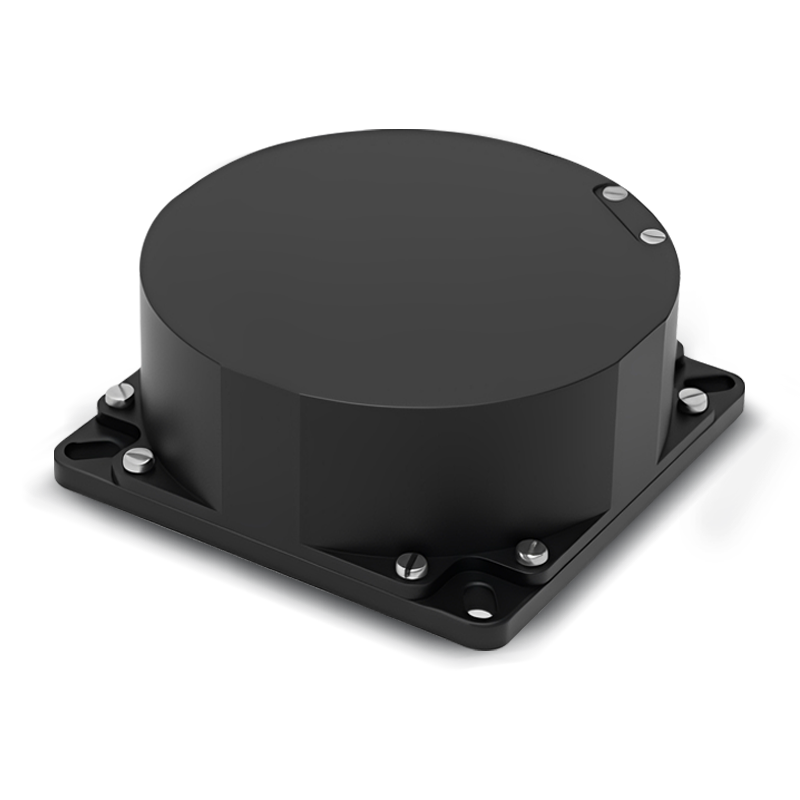 BSD70
BSD70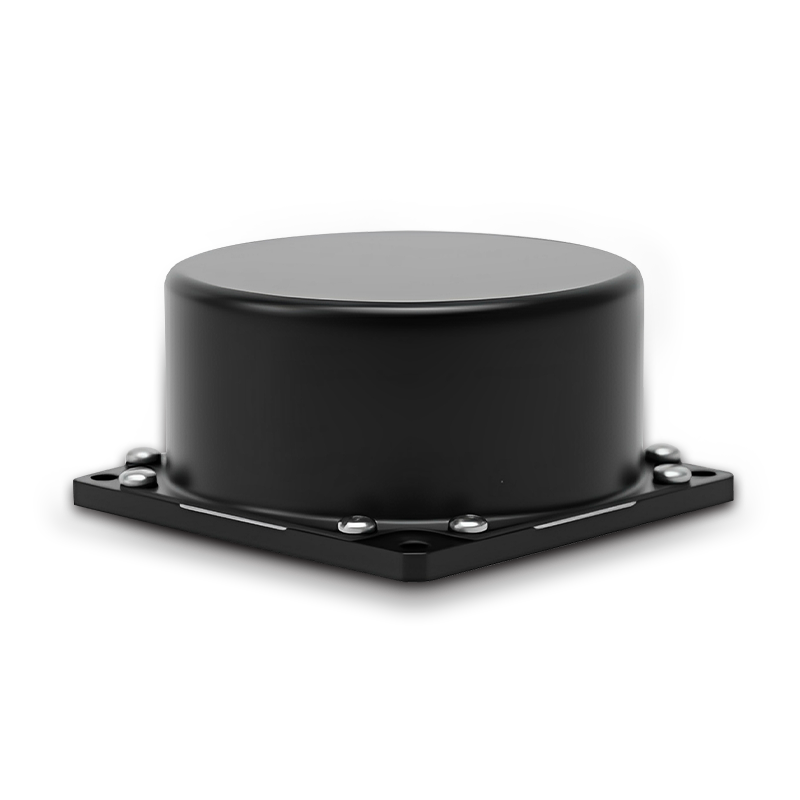 BSD60
BSD60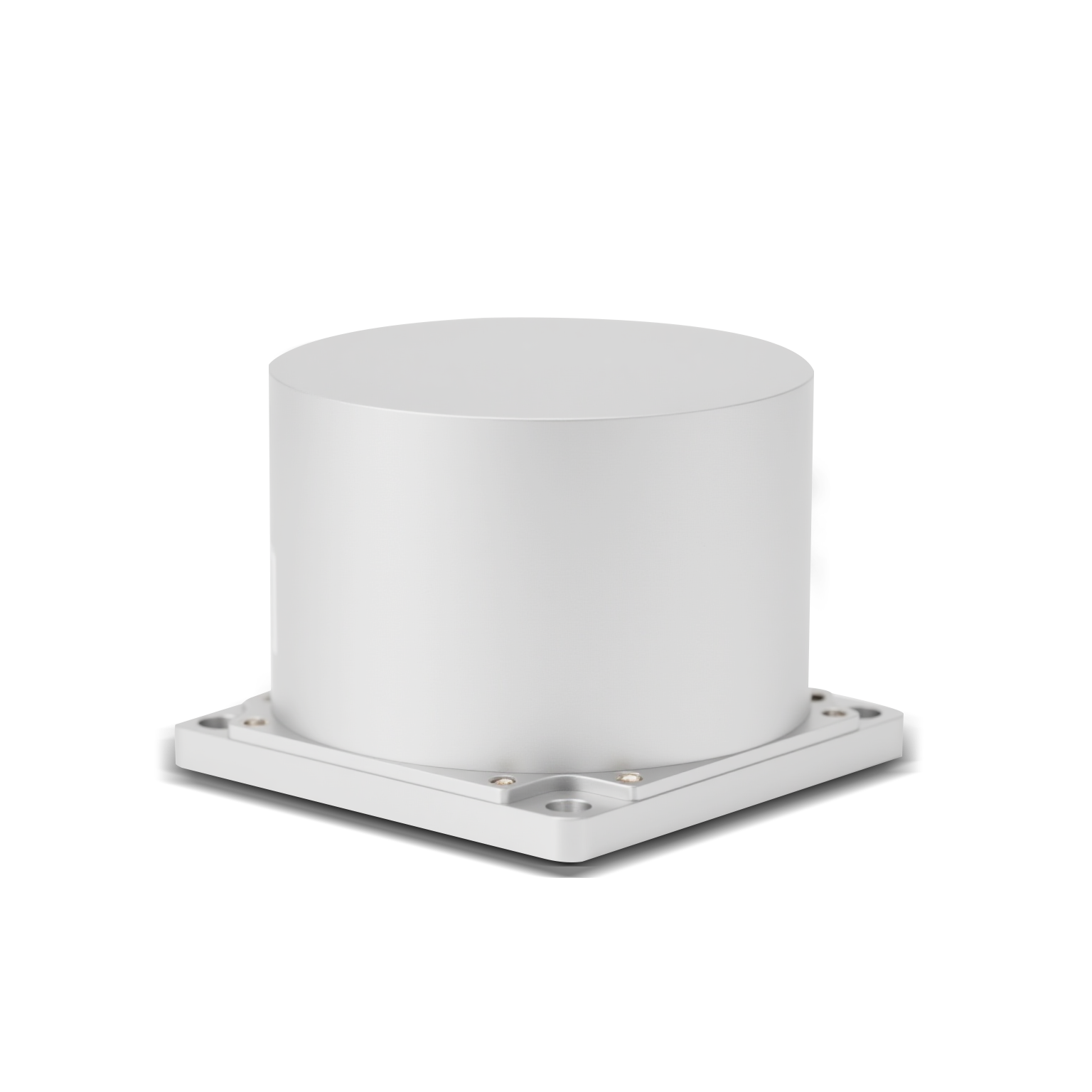 BSD50
BSD50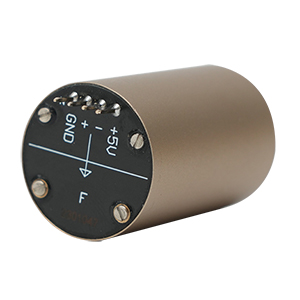 BSD217
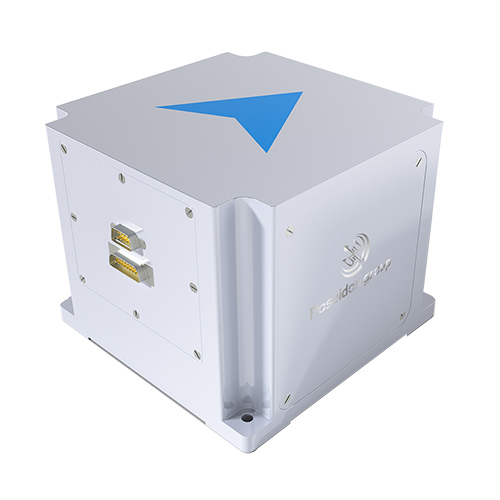 INS1700
 INS970
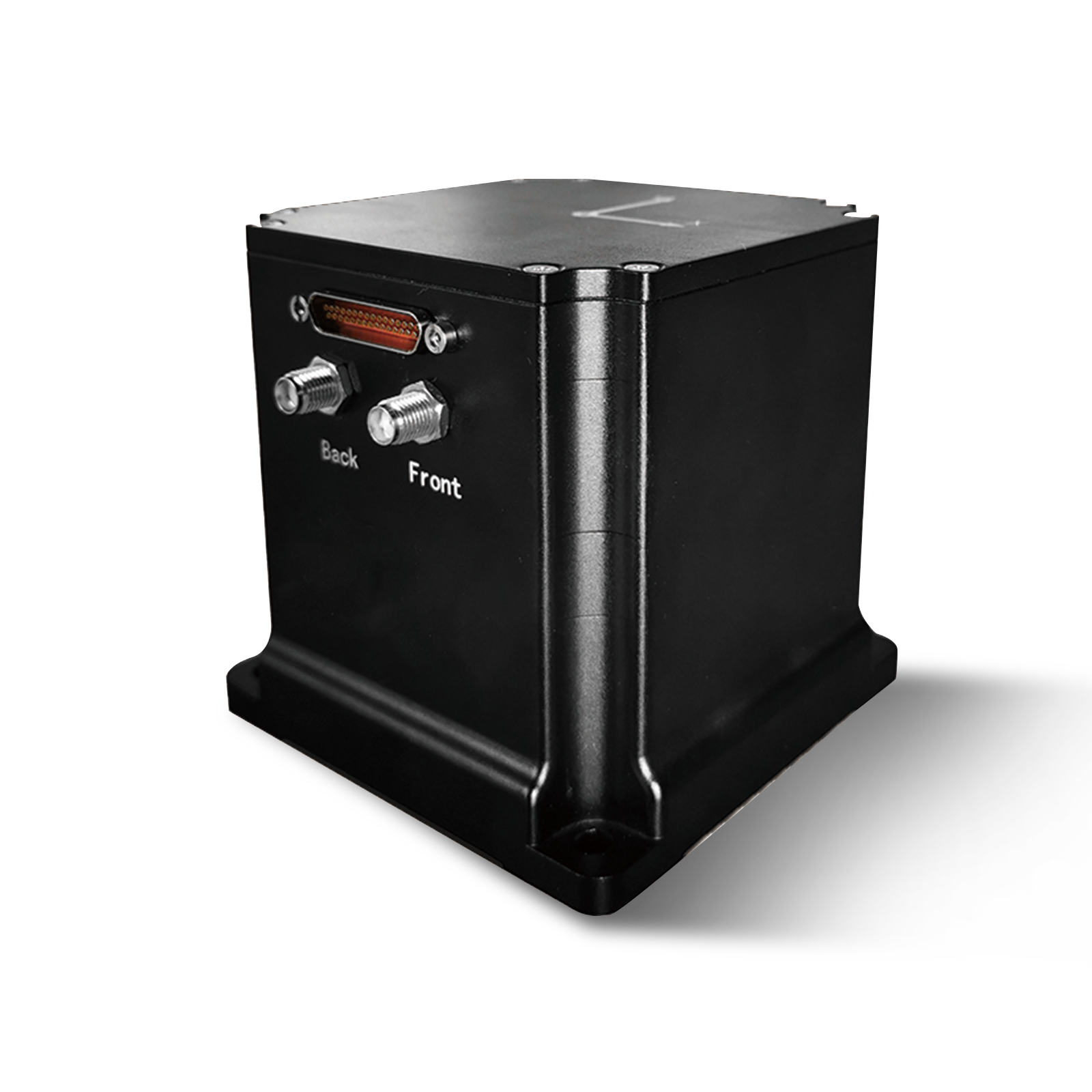 INS570
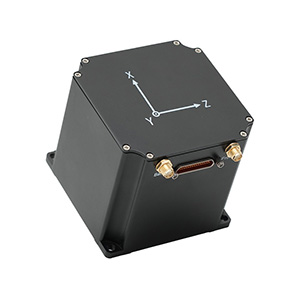 INS170
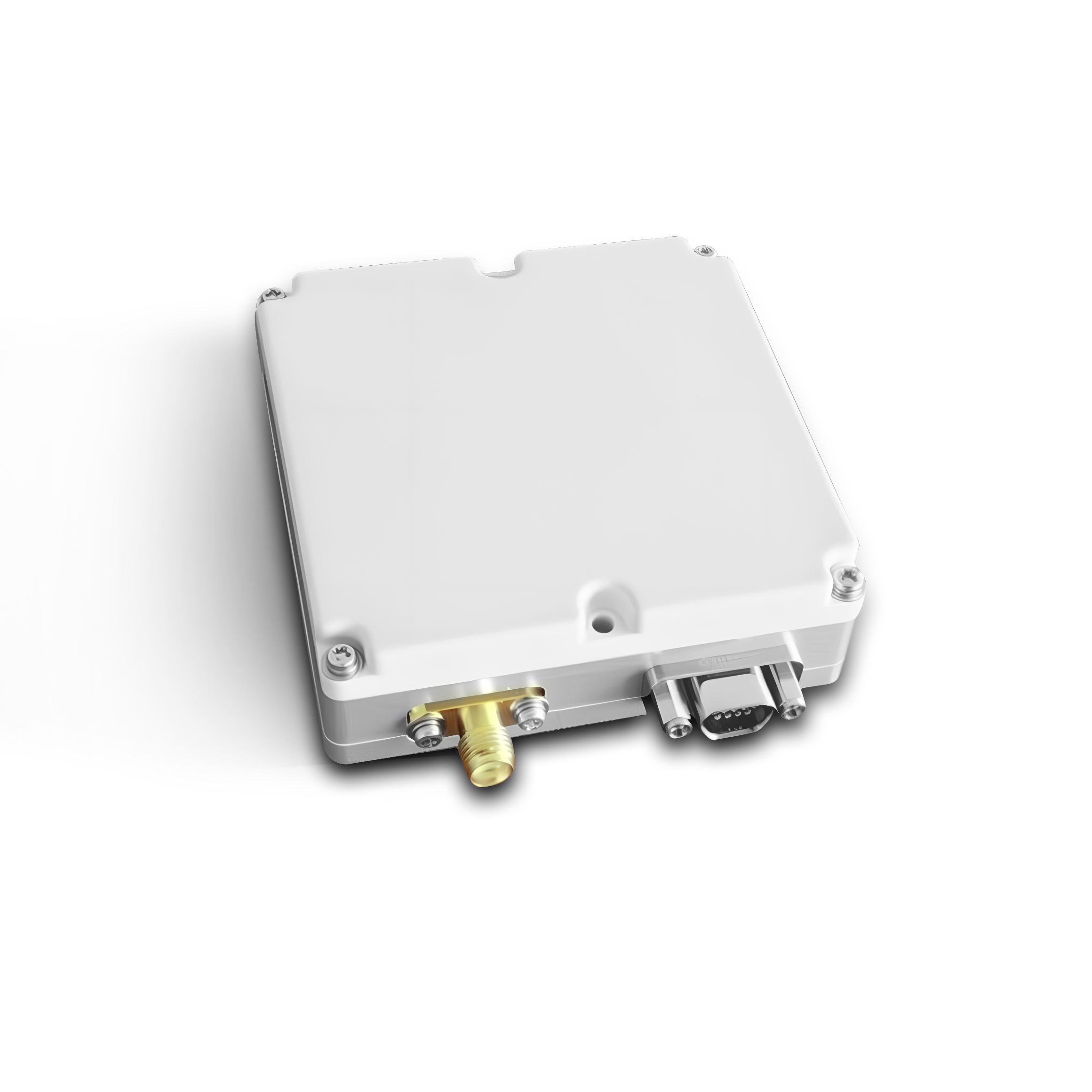 SLA-4B1L1-65
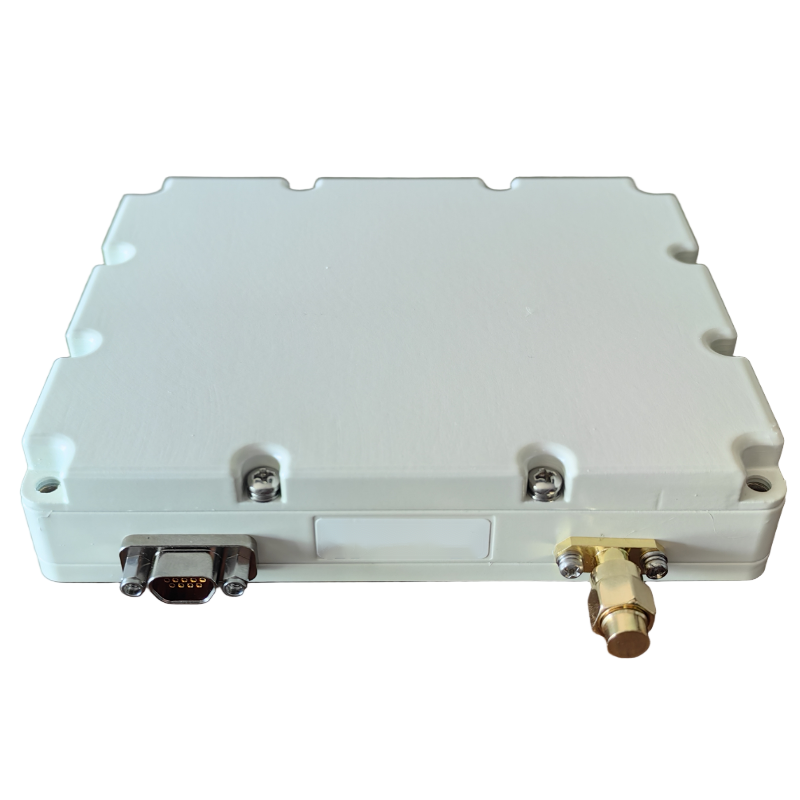 SLA-8B1L1-110
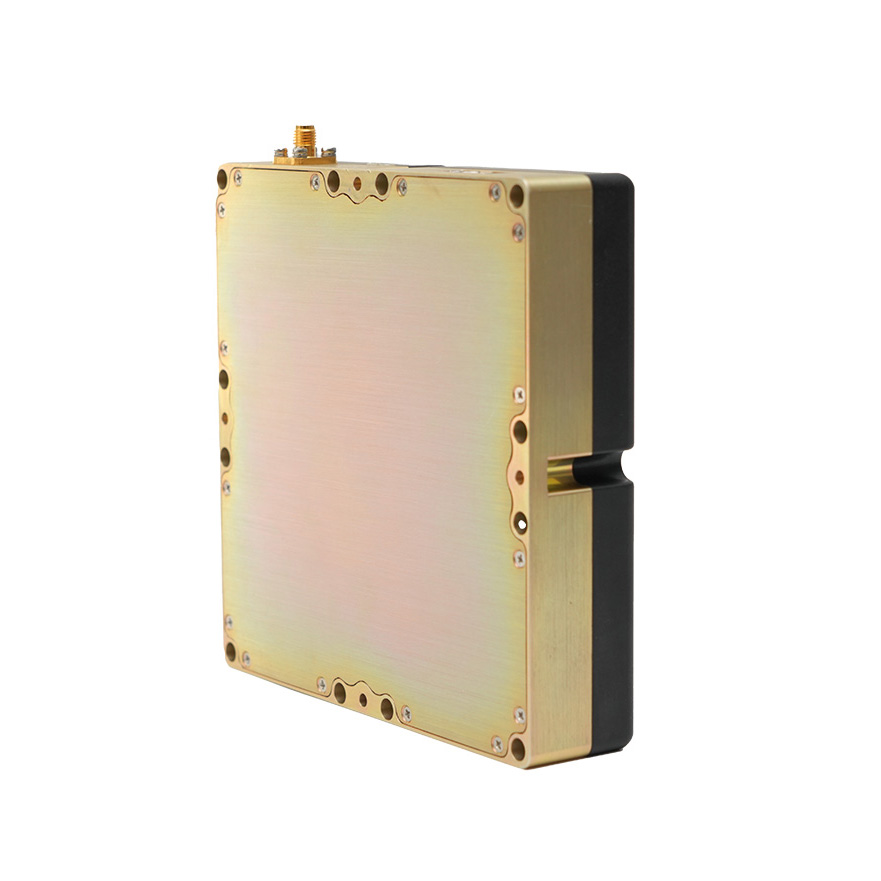 SLA-4B1L1-130
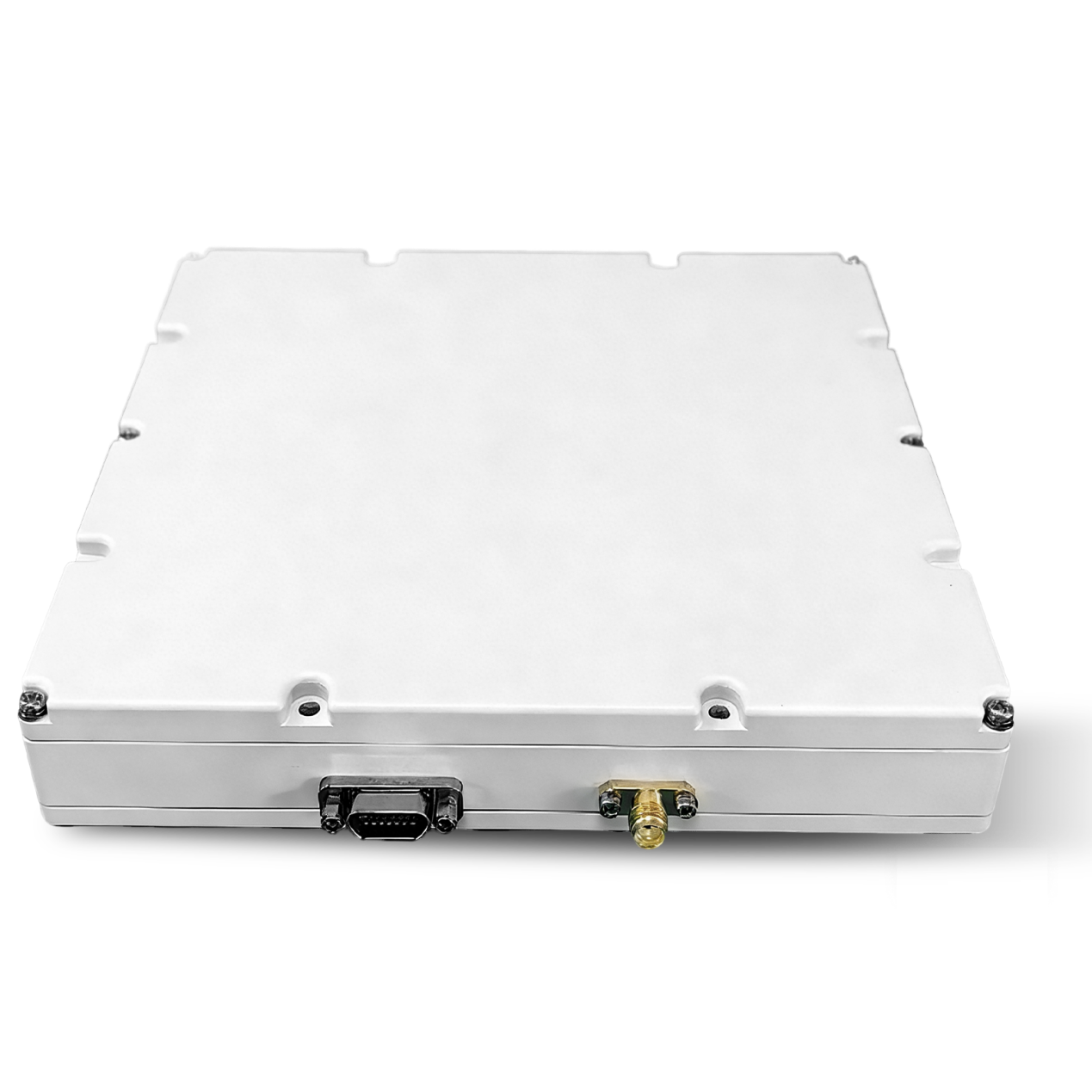 SLA-16B1L1-160
 SLA-8B1L1-165
 101 Vessel-mounted Positioning
 102 Acoustic Communication
 103 Tracking and Locating
 104 Diver Navigation System
 105 Intrusion Detection Sonar
 106 Delivery Locator Beacon
 SLLR3000
 SLLR905
 SLLD25
 108IMU
 150M
150M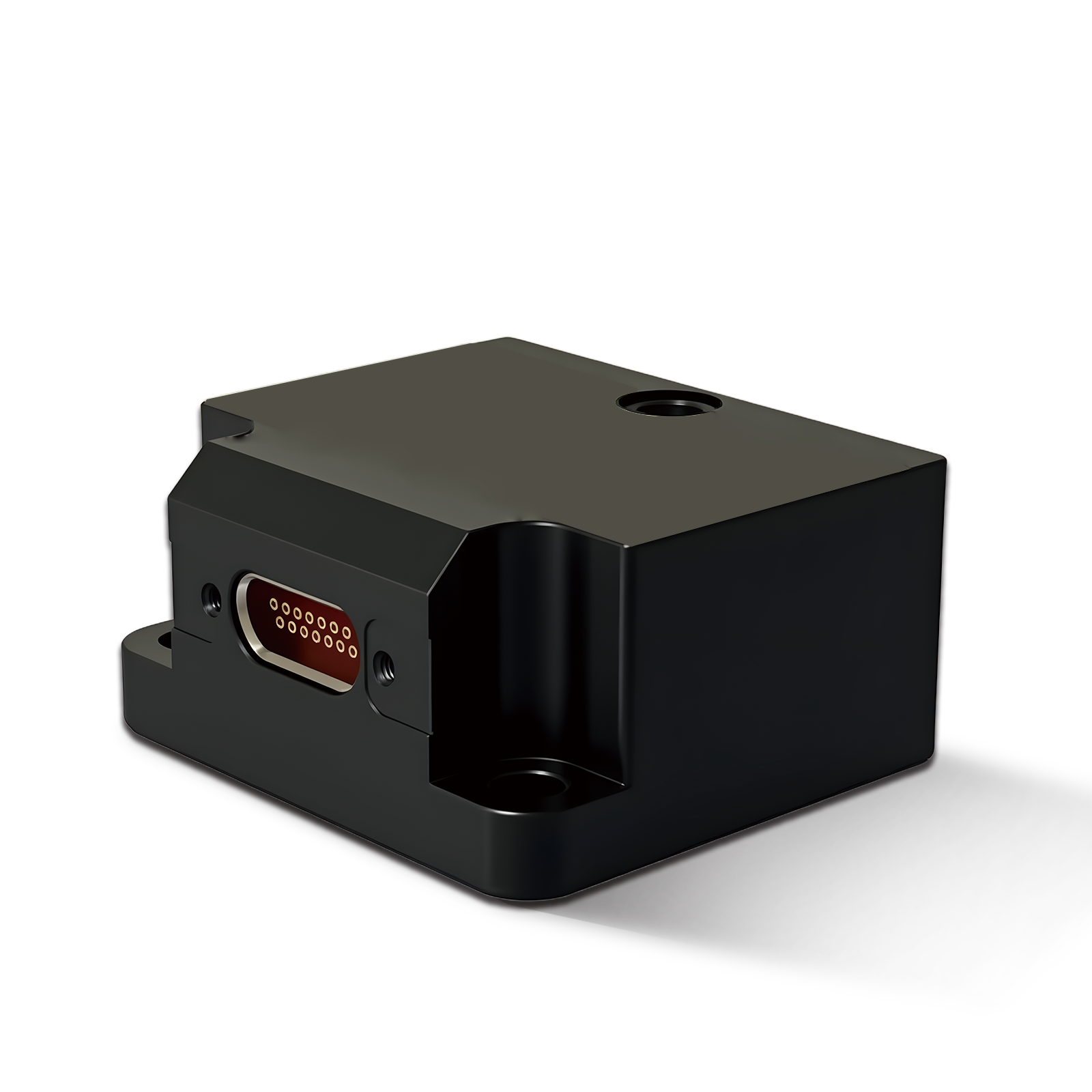 500MH
500MH 160M
160M 170M
170M SLFC-70
 SLAF280
 MR360
MR360