Navigating the vast oceans or rugged terrains has always called for reliable tools that can help you find your way accurately. One of the standout instruments these days is the Fiber Optic Gyro Compass. If you’ve ever been at sea, in the air, or trekking on land, you’ve probably heard of it — and for good reason! This advanced gadget uses fiber optics and gyroscopic stabilization to give real-time heading info, making it a go-to choice, especially in tricky spots where traditional magnetic compasses might not cut it.
As technology keeps moving forward, it’s really important for navigators to understand how to pick the right Fiber Optic Gyro Compass and use it properly. Getting the hang of it can seriously boost your accuracy. Plus, it’s not just about precision — it plays a big role in safety and keeping things running smoothly in all sorts of situations. In this article, I’ll walk you through what to look for when choosing one of these compasses and share some tips on how to get the most out of it. Whether you’re a seasoned pro or just starting out, knowing the ins and outs of this tech is essential for making smarter navigation choices.
So, let’s dive in and make navigation a little easier (and maybe even a bit more fun)!

Understanding the Principles of Fiber Optic Gyro Technology in Navigation
Fiber optic gyro technology plays a crucial role in modern navigation systems, providing highly precise measurements of orientation and movement. Unlike traditional mechanical gyros, fiber optic gyros utilize the Sagnac effect, which occurs when light travels along a coiled fiber optic cable. As light beams travel in opposite directions, any rotation of the device causes a measurable phase shift between the two beams. This shift allows for the accurate determination of turn rates and angular displacement, making fiber optic gyros exceptionally reliable for navigation in various environments, including land, sea, and air.
The benefits of using fiber optic gyros in navigation systems extend beyond their accuracy. These gyros are resistant to the effects of temperature changes, magnetic interference, and mechanical shock, making them suitable for use in challenging conditions. Additionally, their compact size and lightweight design facilitate integration into a wide array of navigation platforms, from small drones to large vessels. By understanding the principles behind fiber optic gyro technology, navigators and system designers can make informed choices when selecting and deploying these advanced instruments, ultimately enhancing the reliability and safety of their navigation systems.
Key Features to Look for in a Fiber Optic Gyro Compass
When selecting a fiber optic gyro compass for precise navigation, several key features should be considered to ensure optimal performance. First and foremost, the accuracy of the device is paramount. Look for gyros that offer high precision in determining headings, with specifications that highlight angular resolution and drift rate. This feature will significantly enhance navigational fidelity, especially in challenging environments where traditional compasses may falter.
Another critical aspect is the device's robustness and reliability. Fiber optic gyro compasses should be constructed to endure harsh conditions, including extreme temperatures, humidity, and vibrations. A compass with a high durability rating will provide consistent performance over time, reducing maintenance needs and minimizing the risk of failure during critical navigation tasks.
Lastly, consider the integration capabilities of the compass. A model that easily interfaces with existing navigational systems, such as GPS, autopilots, or integrated bridge systems, will enhance overall operational efficiency and provide a seamless experience for the user.
Comparative Analysis: Fiber Optic Gyro vs. Traditional Gyro Compasses
The comparative analysis between fiber optic gyros and traditional gyro compasses highlights significant differences in technology and performance that can influence navigation accuracy. Traditional gyro compasses have long been the standard for marine navigation, relying on spinning masses to determine true north based on the Earth’s rotation. While effective, these systems can be affected by factors such as acceleration and vessel pitch, leading to potential inaccuracies, especially in rough conditions or during rapid maneuvers.
In contrast, fiber optic gyros utilize light interference to detect changes in orientation, offering enhanced precision and stability. They are not influenced by the same environmental factors as traditional systems, allowing for real-time adjustments and greater reliability under challenging conditions. Their digital nature also facilitates easier integration with modern navigation systems, providing users with more accurate data and streamlined operational capabilities.
As maritime navigation continues to evolve, the increased adoption of fiber optic gyro compasses may redefine standard practices, emphasizing the importance of accuracy and resilience in an ever-changing environment.
Installation Guidelines for Optimal Performance of Fiber Optic Gyro Compasses
When installing a fiber optic gyro compass, proper placement is crucial to ensure optimal performance and accuracy. The compass should be mounted on a stable platform that is free from excessive vibrations, as these can disrupt the sensor's ability to accurately determine orientation. It is recommended to install the gyro compass at a height and location that minimizes interference from surrounding structures or instrumentation. The installation site should also be as level as possible to provide a reliable reference point for the gyro's measurements.
Another important consideration during installation is the electrical and environmental factors surrounding the device. Ensure that the power supply is stable and meets the required specifications for the gyro compass. Additionally, it is essential to protect the unit from extreme temperatures and humidity levels, as these can adversely affect its performance. Adequate shielding against electromagnetic interference should also be implemented to maintain the integrity of the compass readings. Following these guidelines will significantly enhance the reliability and accuracy of the fiber optic gyro compass in navigation applications.
Calibration Techniques for Accuracy in Navigation Applications
Calibration is a crucial element in utilizing fiber optic gyro compasses for ensuring precision in navigation applications. According to industry reports, accurately calibrated gyro compasses can significantly enhance navigational reliability by reducing positional errors to less than 0.1 degrees. This level of precision is particularly essential in maritime and aerospace operations, where even the slightest deviation can lead to significant operational inefficiencies or safety hazards.
Calibration techniques typically involve a series of systematic adjustments and validations. One effective method is the use of simulated navigation scenarios that replicate real-time operational conditions. By conducting these simulations, operators can identify potential discrepancies in the gyro's readings and adjust the calibration parameters accordingly. Furthermore, regular maintenance and recalibration cycles, often recommended at intervals defined by manufacturers—typically ranging from every 6 to 12 months—help sustain accuracy. Industry standards, such as those set by the International Maritime Organization (IMO), advocate these calibration practices to maintain the integrity of navigation systems, thereby ensuring safety and operational competence across various platforms.
Moreover, utilizing digital calibration tools has become increasingly common. These tools allow for real-time data processing and automated adjustments, thus enhancing the precision and efficiency of calibration processes. Studies show that integrating advanced software algorithms in calibration practices can reduce human error and provide more consistent alignment with the true north. Overall, employing robust calibration techniques is imperative to leverage the full potential of fiber optic gyro compasses in achieving accurate navigation results.
How to Choose and Use a Fiber Optic Gyro Compass for Accurate Navigation
| Parameter |
Description |
Measurement Method |
Calibration Frequency |
| Heading Accuracy |
Precision of the compass reading in degrees |
Test against a known reference |
Daily |
| Response Time |
Time taken to stabilize after a directional change |
Monitor during maneuver tests |
Weekly |
| Drift Rate |
Rate of deviation over time in degrees/hour |
Continuous monitoring |
Monthly |
| Temperature Sensitivity |
Impact of temperature changes on readings |
Tests in varying temperatures |
Quarterly |
| Installation Quality |
Effect of mounting accuracy on performance |
Visual inspection and adjustment |
Prior to operation |
Maintenance Best Practices for Longevity of Fiber Optic Gyro Systems
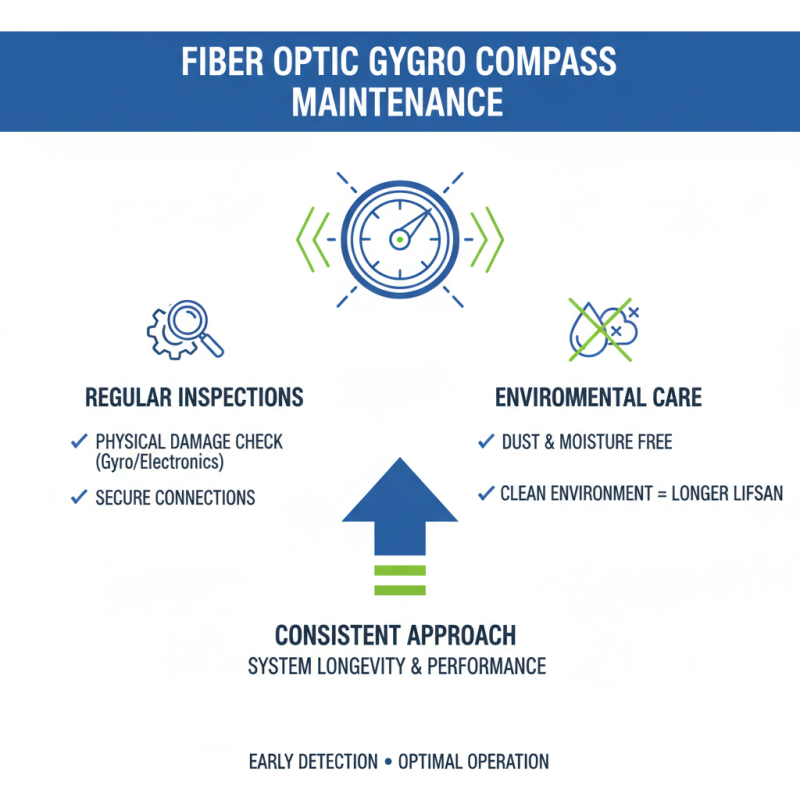
Maintaining a fiber optic gyro compass requires a consistent approach to ensure the longevity and performance of the system. Regular inspections play a crucial role in identifying potential issues early. Users should check for any physical damage to the gyros and associated electronics and ensure that all connections are secure. Additionally, keeping the system free from dust and moisture is paramount; a clean environment can significantly enhance the operational lifespan of the equipment.
Calibration is another essential maintenance practice. Periodic recalibration ensures that the compass provides accurate readings, which is vital for navigation. It's advisable to follow the manufacturer’s recommended intervals for calibration and to keep logs of all maintenance activities, which can aid in tracking the system's performance over time. Users should also stay updated with any software upgrades or improvements that might enhance the gyro's capabilities and integrate seamlessly with the existing navigation systems.
Lastly, proper storage and handling when the system is not in use can prevent unnecessary wear and tear. Utilizing padded cases for transportation and maintaining an optimal environment can further help in safeguarding the gyros. By following these best practices, users can maximize the efficiency and reliability of their fiber optic gyro systems, making them a valuable asset for precise navigation.
Real-World Applications and Case Studies of Fiber Optic Gyro Compasses
Fiber optic gyro compasses offer significant advantages in navigation, particularly in applications such as maritime operations and aerospace. In the maritime industry, these compasses are valued for their accuracy and reliability. For instance, they are extensively used on commercial vessels for precise positioning and course correction, especially in challenging environments where magnetic interference can mislead traditional compasses. Case studies in shipping have demonstrated that vessels equipped with fiber optic gyro compasses can maintain optimal routes, reducing fuel consumption and improving overall operational efficiency.
In aerospace applications, fiber optic gyro compasses play a crucial role in enhancing flight safety and navigation accuracy. These gyros provide real-time data on an aircraft's orientation and movement, enabling pilots to make informed decisions even under adverse conditions. For example, during flights through turbulent weather, the ability to quickly and accurately gauge the plane's position ensures effective handling and reduces the risk of disorientation. Real-world instances show that commercial airlines utilizing fiber optic gyro technology have experienced improved flight paths and reduced incident rates, demonstrating the technology's effectiveness in critical navigation scenarios.
Fiber Optic Gyro Compass Performance Comparison
This chart compares the performance of different types of gyroscopic compasses used in navigation systems based on key parameters such as accuracy, response time, and drift rate.
FAQS
: Fiber optic gyros use light interference to detect changes in orientation, offering enhanced precision and stability without being affected by environmental factors, unlike traditional gyros, which rely on spinning masses and can be influenced by acceleration and vessel pitch.
Calibration techniques enhance navigational reliability by systematically adjusting and validating gyro compasses, potentially reducing positional errors to less than 0.1 degrees, which is crucial for safety in maritime and aerospace operations.
Simulated navigation scenarios help operators identify discrepancies in gyro readings by replicating real-time conditions, allowing them to adjust calibration parameters for improved accuracy.
Regular maintenance and recalibration are recommended every 6 to 12 months, as defined by industry standards, to sustain accuracy and ensure operational safety.
Digital calibration tools facilitate real-time data processing and automated adjustments, enhancing precision and efficiency in calibration processes while reducing human error.
Integrating advanced software algorithms into calibration can lead to more consistent alignment with true north, reducing human error and improving the overall accuracy of gyro compass systems.
Even minor deviations in navigation can result in significant operational inefficiencies or safety hazards, making high levels of accuracy essential in these fields.
The adoption of fiber optic gyros may redefine standard navigation practices by emphasizing the importance of accuracy and resilience in navigation systems, especially in challenging conditions.
The digital nature of fiber optic gyros allows for easier integration with modern navigation systems, providing users with more accurate data and streamlined operational capabilities.
Industry standards set by organizations like the International Maritime Organization (IMO) recommend systematic calibration practices to maintain the integrity of navigation systems, ensuring safety and operational competence.
Conclusion
The article "How to Choose and Use a Fiber Optic Gyro Compass for Accurate Navigation" explores the essential aspects of fiber optic gyro technology in navigation systems. It begins with an in-depth understanding of the principles behind fiber optic gyros, emphasizing their advantages over traditional gyro compasses. Key features to consider when selecting a fiber optic gyro compass include accuracy, reliability, and resistance to environmental factors.
Additionally, the article provides guidance on installation and calibration, ensuring optimal performance and precision. Maintenance practices are highlighted to enhance the longevity of fiber optic gyro systems. Finally, it presents real-world applications and case studies that illustrate the effectiveness of fiber optic gyro compasses in various navigation scenarios, showcasing their role in modern maritime and aerial navigation.

 TBSD60
 BSD120
 BSD98
BSD98 BSD70
BSD70 BSD60
BSD60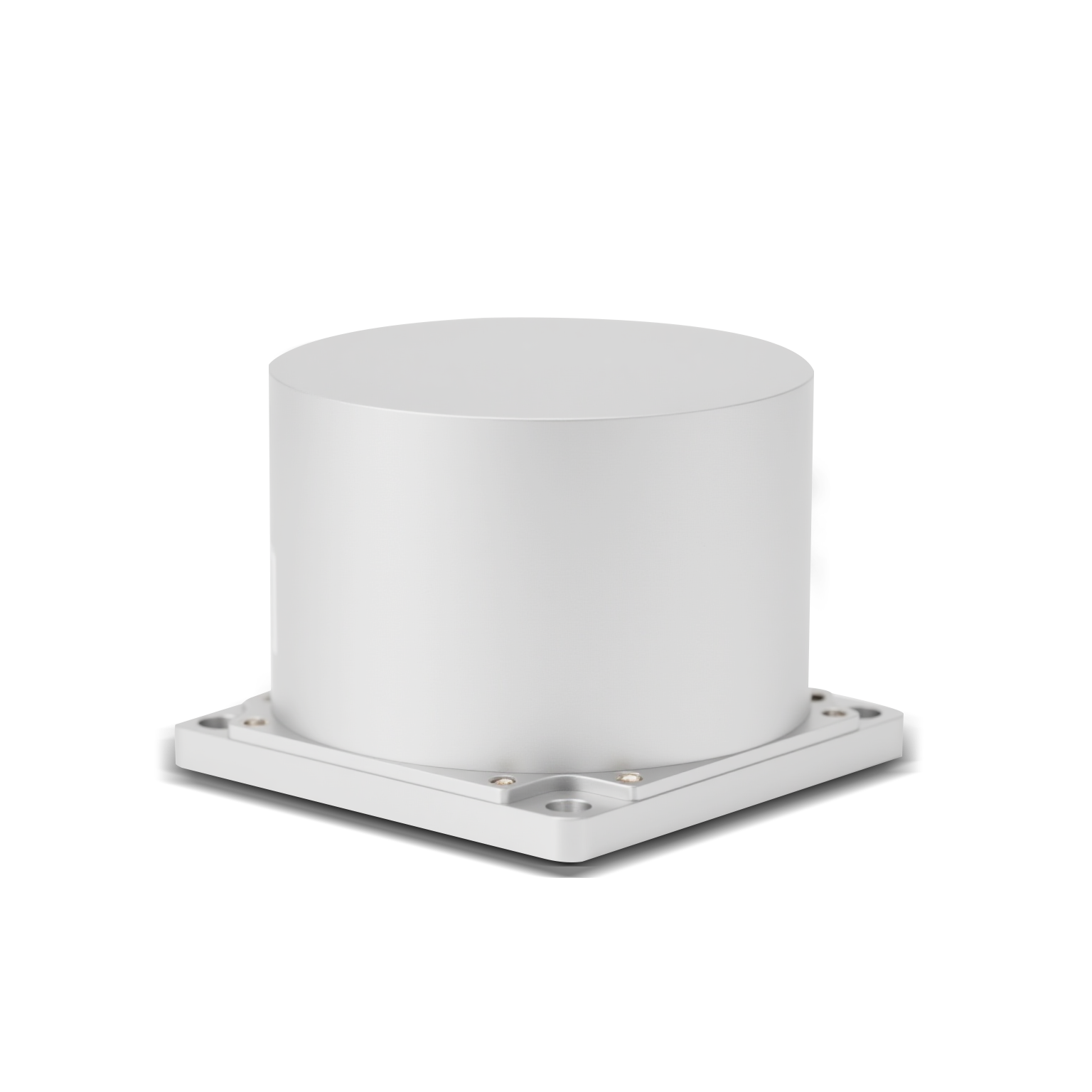 BSD50
BSD50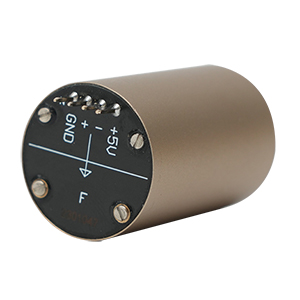 BSD217
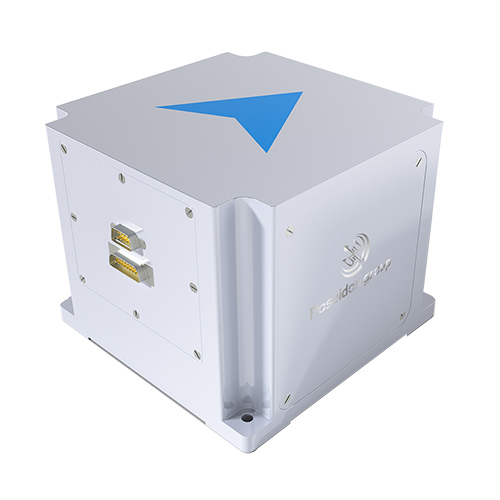 INS1700
 INS970
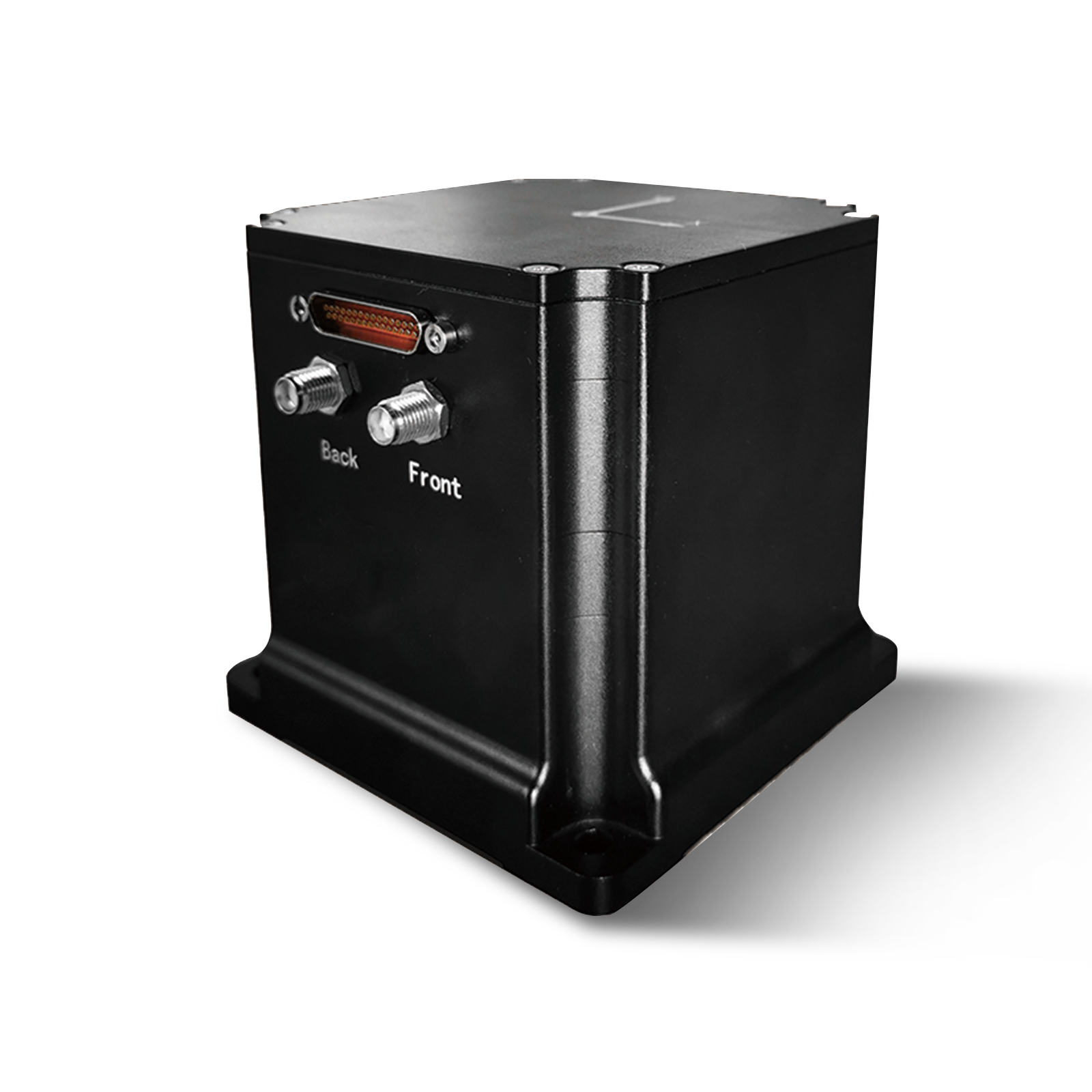 INS570
 INS170
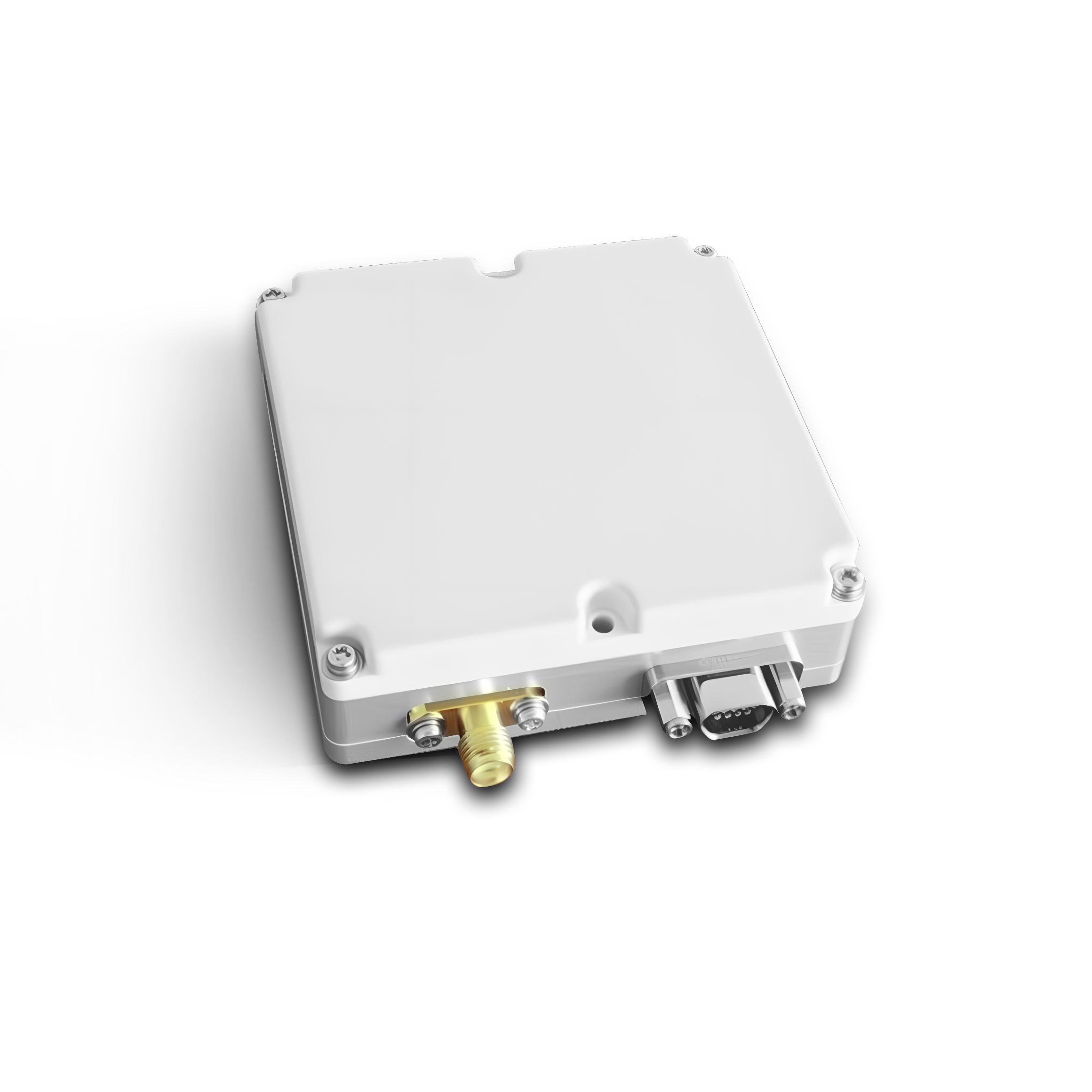 SLA-4B1L1-65
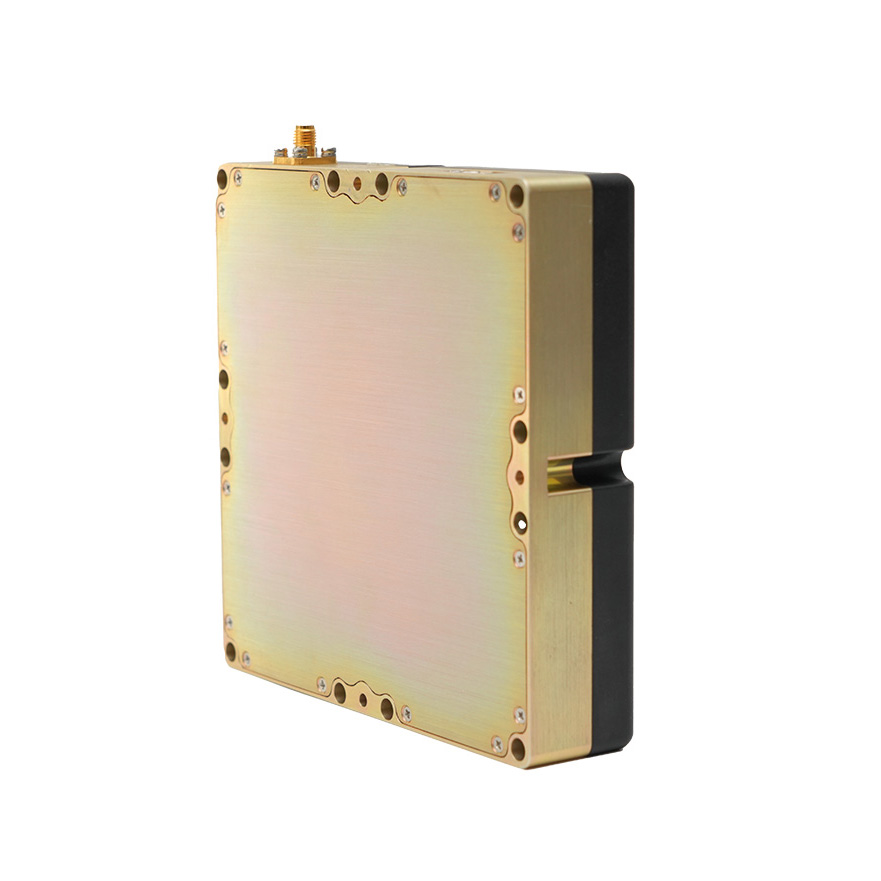 SLA-4B1L1-130
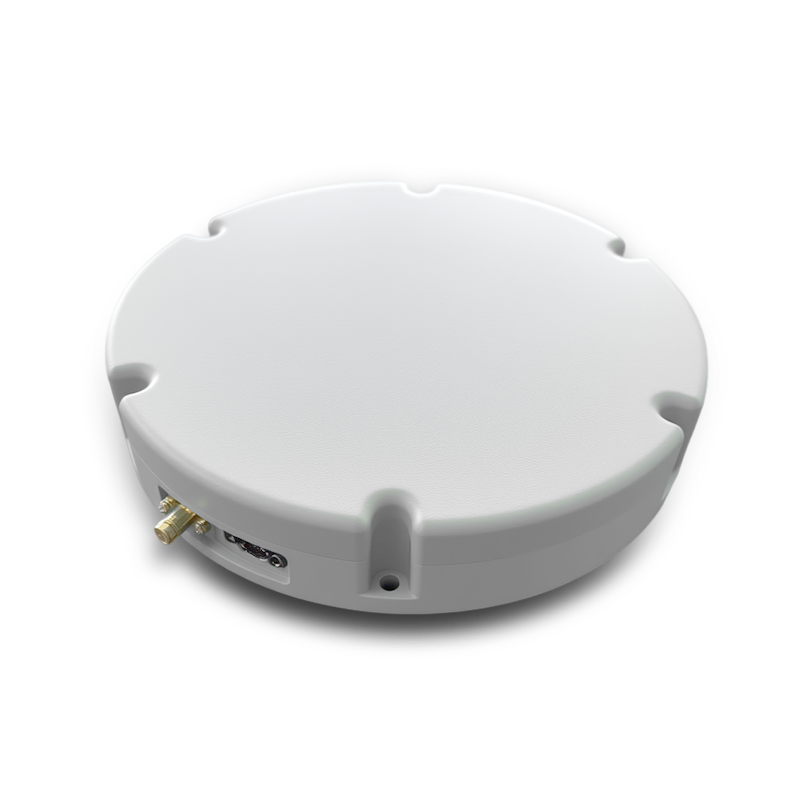 SLA-8B1L1-165
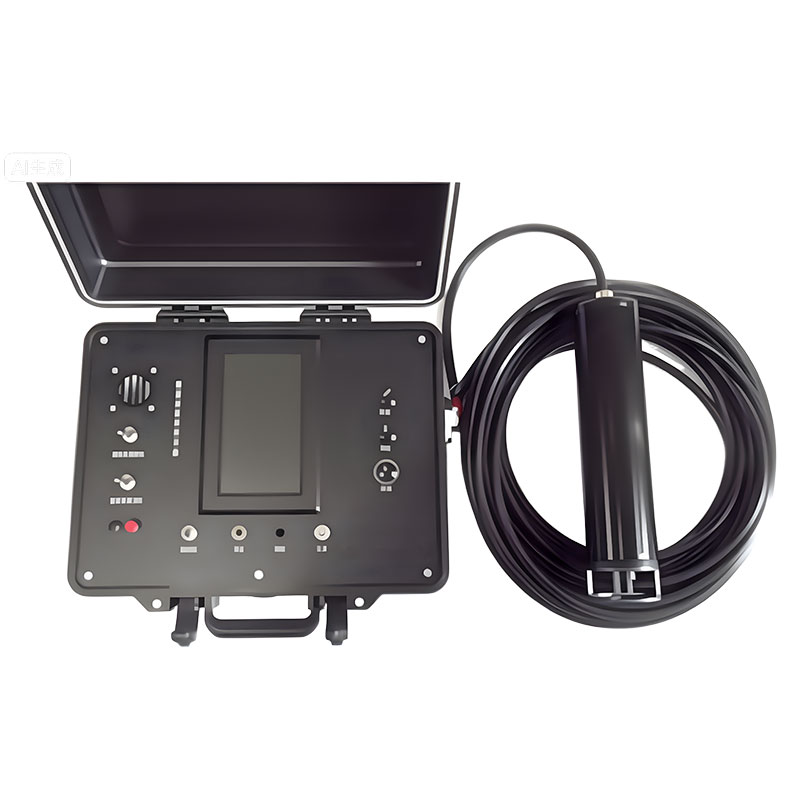 DIVER 101
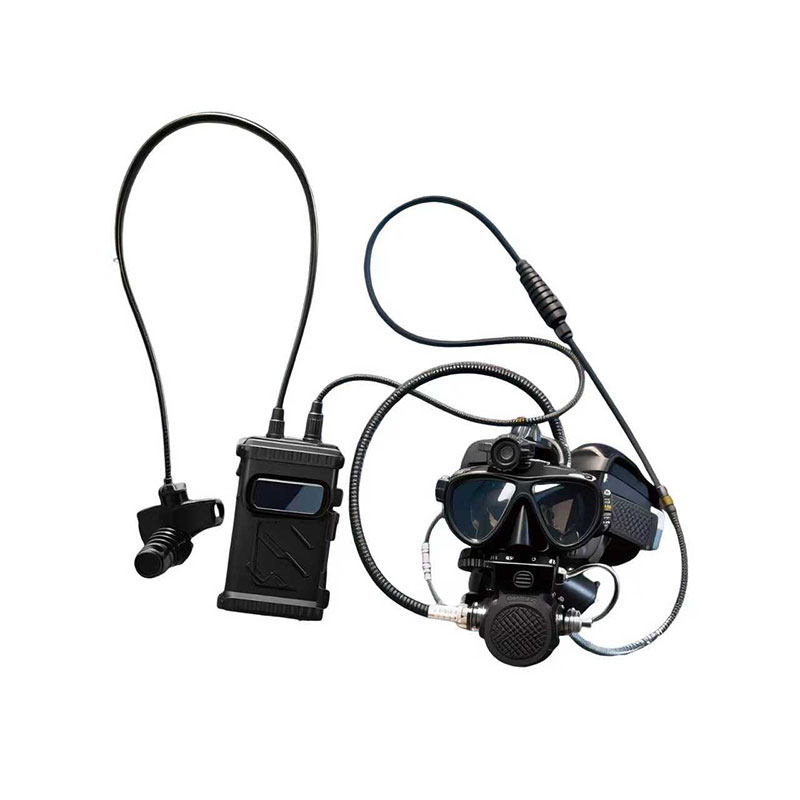 DIVER 102
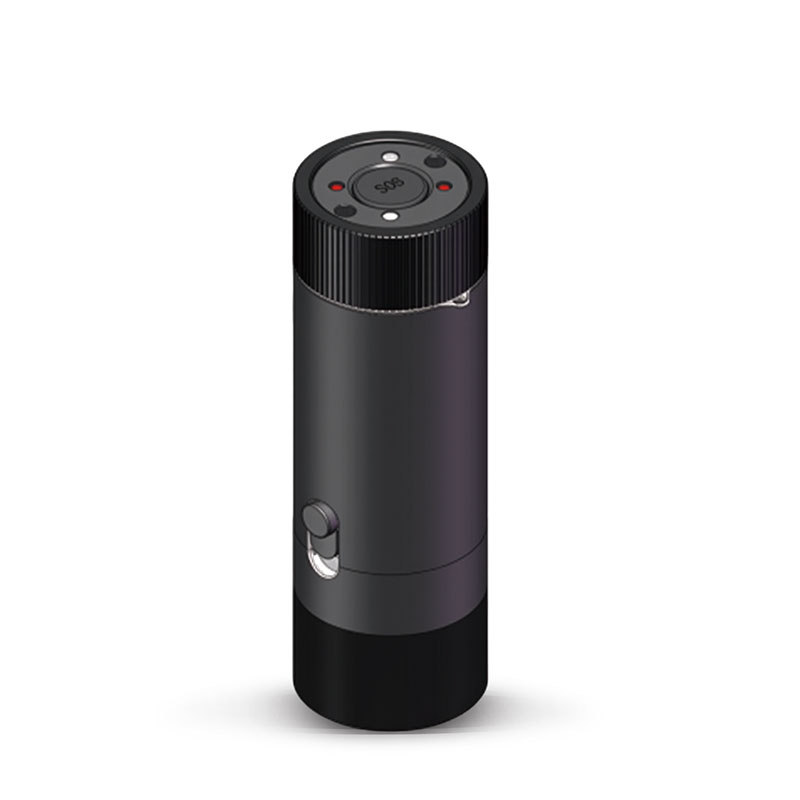 DIVER 103
 DIVER 104
 DIVER 105
 DIVER 106
 SLLR3000
 SLLR905
 SLLD25
 160M
160M 170M
170M SLFC-70
 SLAF280
 MR360
MR360